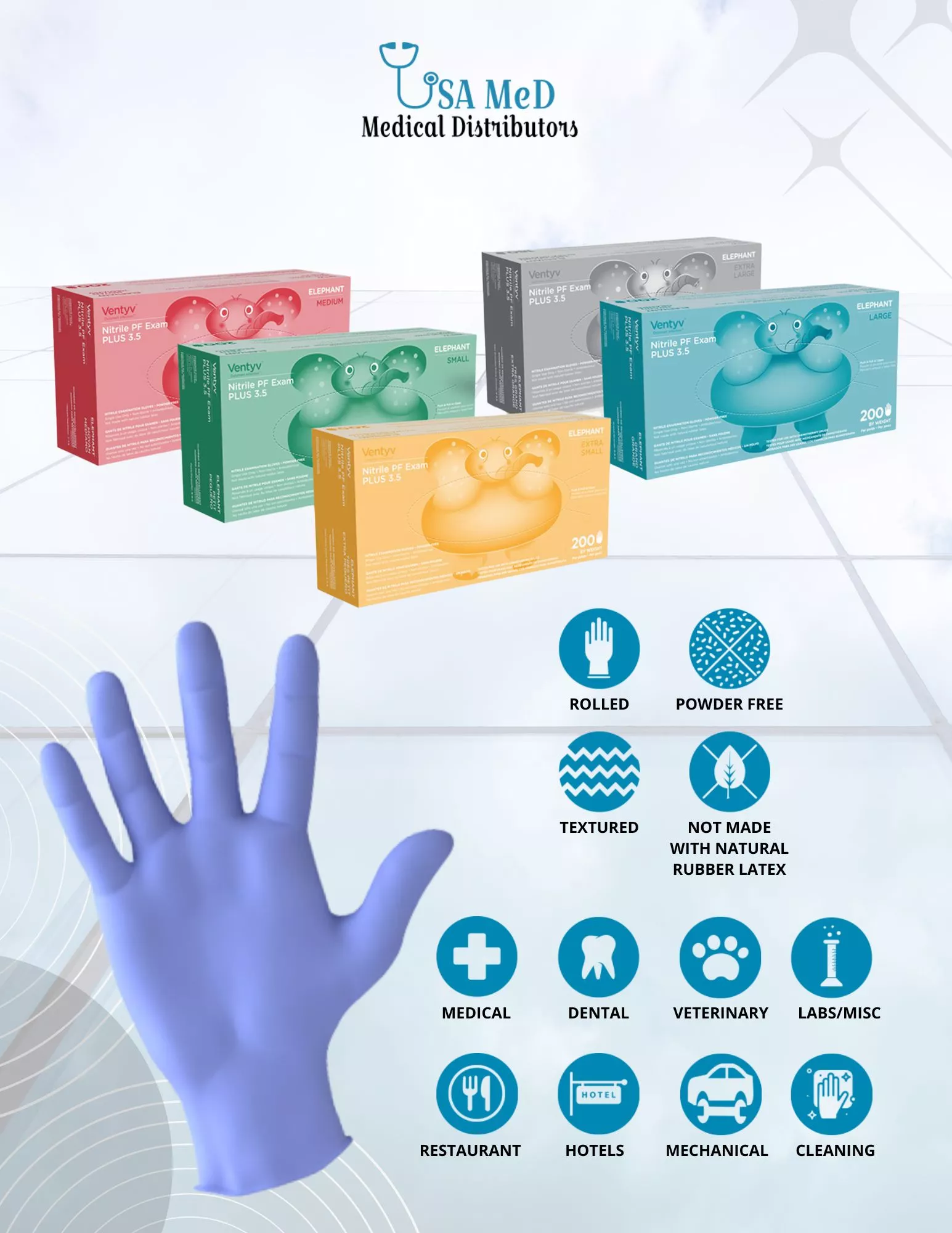
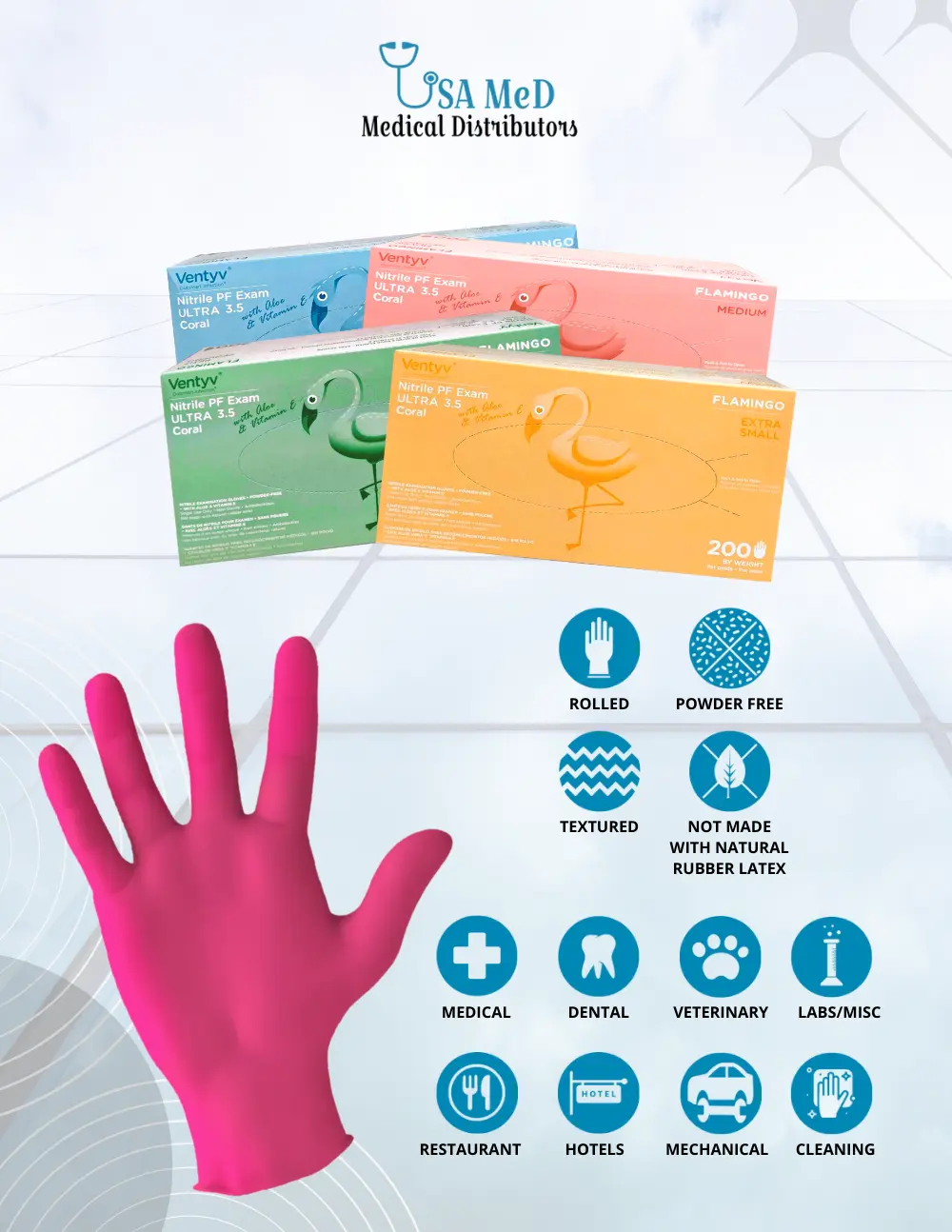
Understanding High-Tactile Nitrile Gloves:
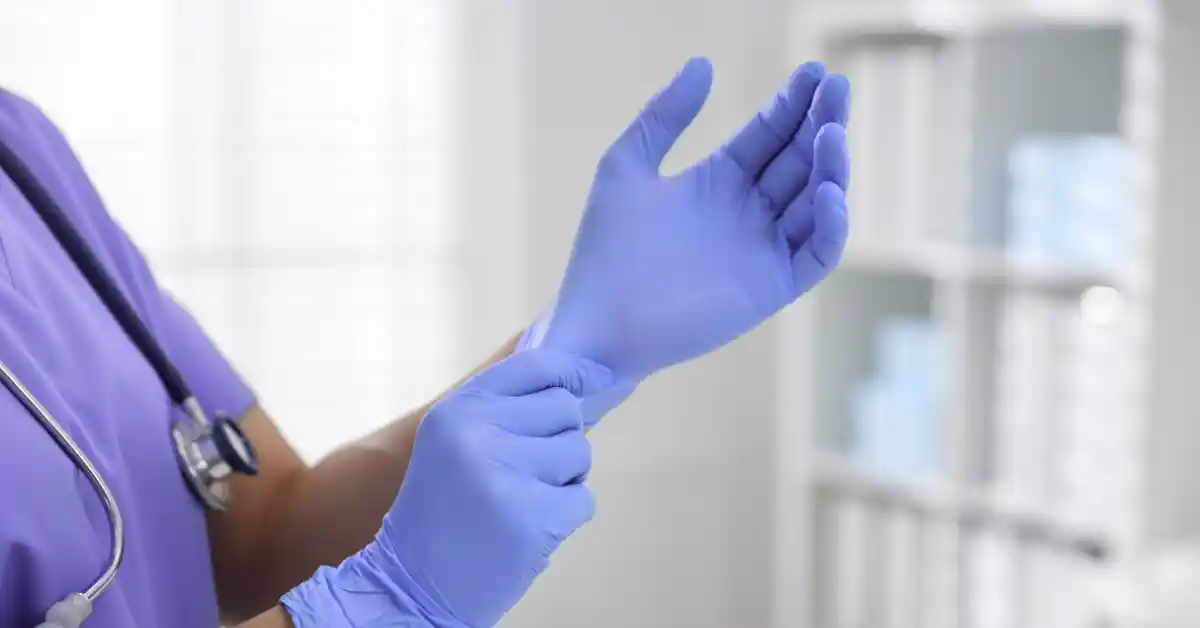
When it comes to medical applications, precision and sensitivity are paramount. High-tactile nitrile gloves have become the preferred choice for healthcare professionals who require both protection and dexterity during procedures. These gloves are engineered to offer superior touch sensitivity, allowing medical staff to perform delicate tasks such as administering injections, handling instruments, or conducting examinations with confidence.
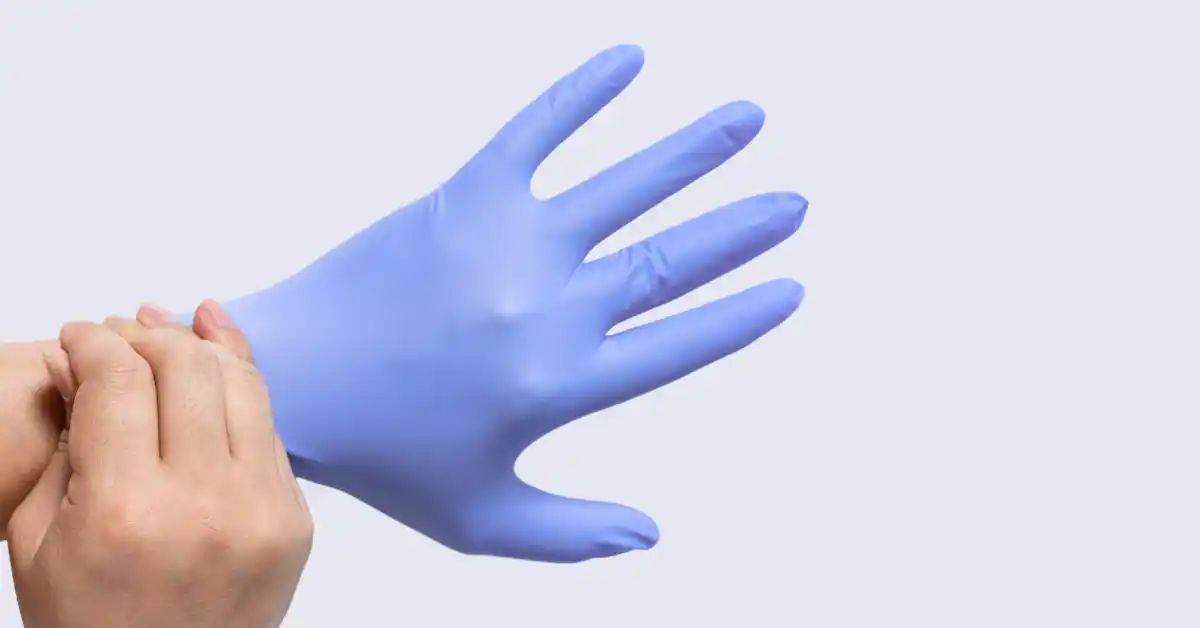
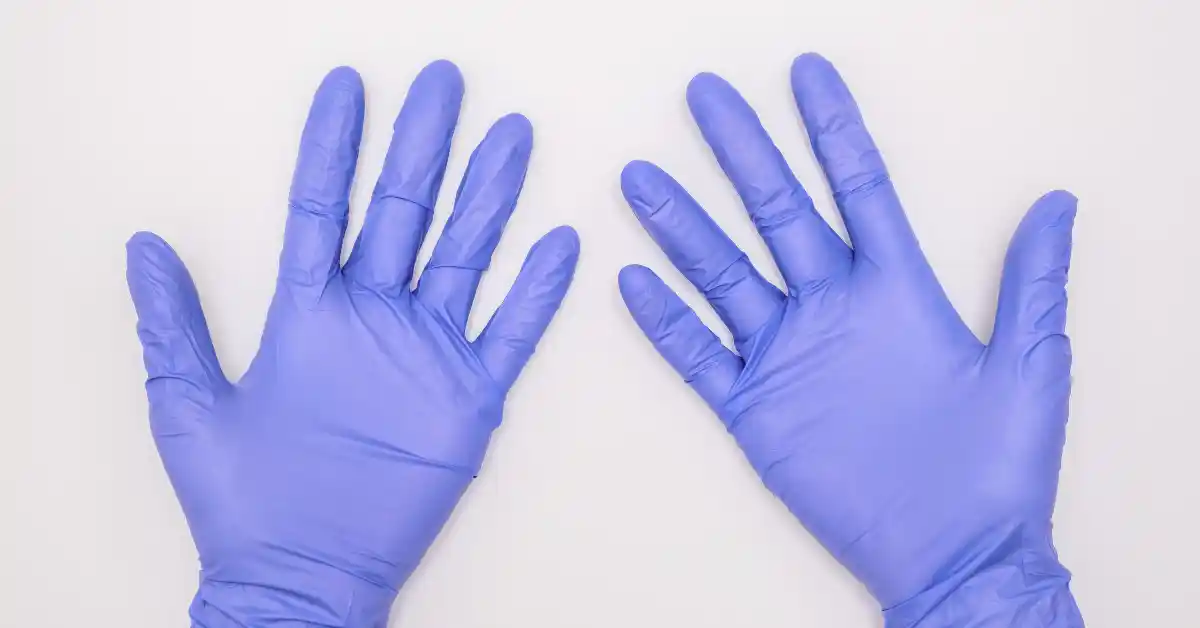
High-tactile nitrile gloves stand out due to their unique formulation and textured fingertips. These enhances grip while maintaining a thin yet durable barrier against contaminants. Unlike latex gloves, they are also hypoallergenic—making them suitable for individuals with latex sensitivities. The snug fit of these gloves ensures that every movement is accurately transmitted from hand to instrument, reducing fatigue during extended use.
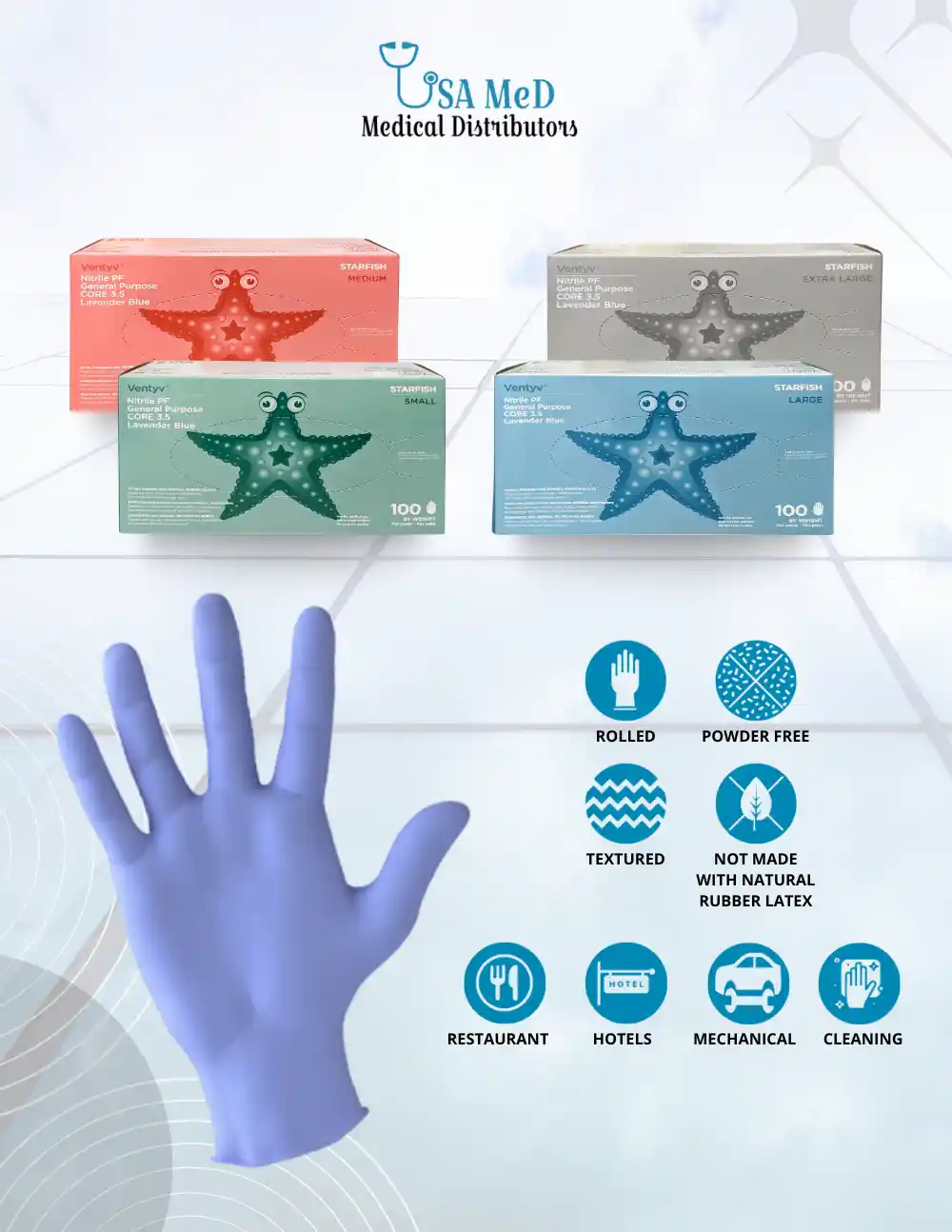
Leading brands in medical supplies offer high-tactile nitrile gloves that meet rigorous safety standards while providing exceptional comfort. Features like powder-free finishes and easy donning further elevate their appeal in fast-paced clinical environments. For healthcare professionals seeking reliable protection without compromising tactile feedback, high-tactile nitrile gloves remain an indispensable tool in modern medicine.
Key Features and Benefits of High-Tactile Nitrile Gloves
High-tactile nitrile gloves have become a preferred choice in various industries due to their exceptional blend of comfort, durability, and performance. One standout feature is their precision grip, which allows users to handle small objects and perform delicate tasks with confidence. This is further enhanced by textured fingertips that provide improved traction, reducing the risk of slips even when working with wet or oily surfaces.
Enhanced dexterity is another major benefit of this gloves. Their form-fitting design enables natural hand movement and flexibility, making them ideal for tasks that require accuracy and control. Whether you’re in healthcare, laboratory settings, or industrial environments, this level of dexterity ensures efficiency without compromising safety.
Chemical resistance is a critical advantage as well. Nitrile material offers robust protection against a wide range of chemicals and solvents, safeguarding hands from hazardous substances. Additionally, these gloves are engineered for puncture resistance—significantly reducing the risk of tears or holes during demanding applications.
Finally, comfort fit remains at the core of high-tactile nitrile glove design. The soft yet resilient material conforms closely to the hand’s contours while minimizing fatigue during prolonged use. Altogether, these features make high-tactile nitrile gloves an indispensable tool for professionals who require both protection and precision in their daily work.
Conclusion
In conclusion, high-tactile nitrile gloves offer an unparalleled combination of protection, sensitivity, and comfort for professionals across medical, laboratory, and industrial settings. Their precision grip and textured fingertips ensure secure handling of even the most delicate tasks, while enhanced dexterity supports natural movement and accuracy. The robust chemical and puncture resistance further safeguard users against a variety of hazards without sacrificing tactile feedback. With a comfortable fit designed to minimize fatigue during extended use, these gloves address both safety concerns and the need for fine motor control. Ultimately, this gloves stand out as an essential choice for those who demand reliability and performance in their protective equipment—empowering professionals to work confidently in any environment.