Understanding the Need for Latex Glove Substitute
Understanding the need for latex glove substitute has become increasingly important in various sectors, particularly in healthcare. Latex gloves have long been a staple of protective handwear due to their comfort and dexterity. However, the rise in latex allergies among healthcare workers and patients has necessitated the exploration of non-latex gloves as viable alternatives.
Latex allergy can lead to serious reactions ranging from mild skin irritation to anaphylaxis. These makes it crucial for healthcare facilities to adopt glove alternatives that accommodate those with sensitivities. Non-latex gloves, such as nitrile or vinyl options, provide excellent protection without the risk associated with latex exposure. These substitutes not only ensure healthcare safety but also maintain compliance with safety regulations.la
As awareness grows around latex allergies and their implications, organizations are encouraged to evaluate their glove usage policies and consider integrating a range of protective handwear that includes effective latex glove substitute. This proactive approach not only safeguards individuals with allergies but also promotes a safer environment for all.
Top Materials Used in Latex Glove Substitute
When it comes to selecting glove alternatives for those with latex allergies or sensitivities, several materials stand out as effective substitutes. Understanding these alternatives can help you make a well-informed choice for your specific needs.
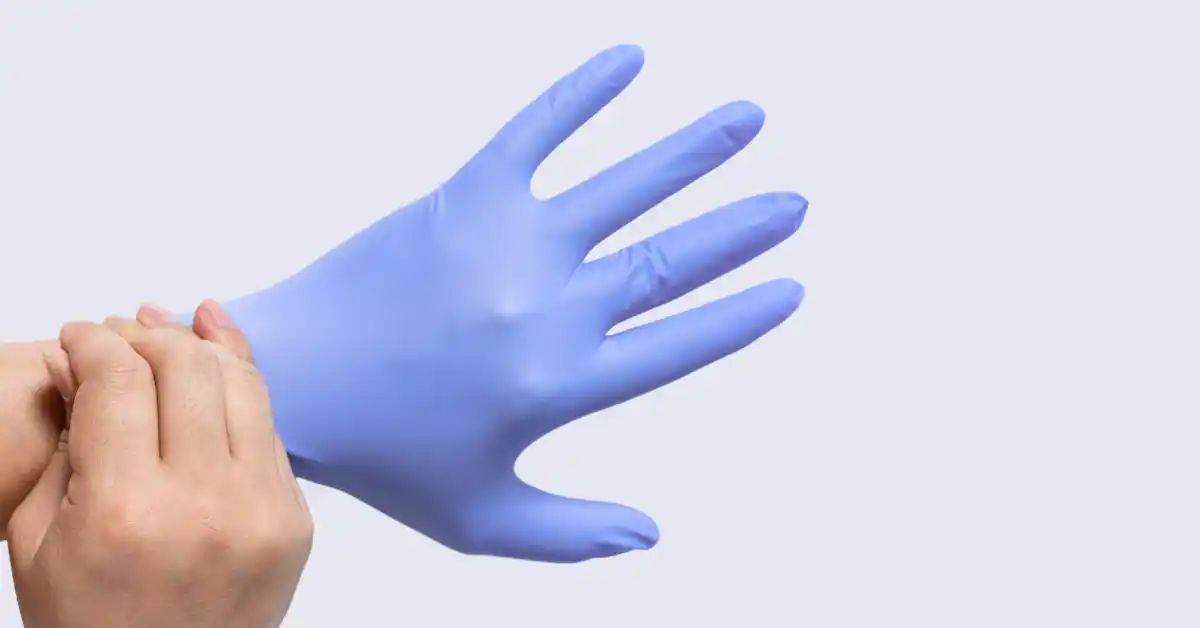
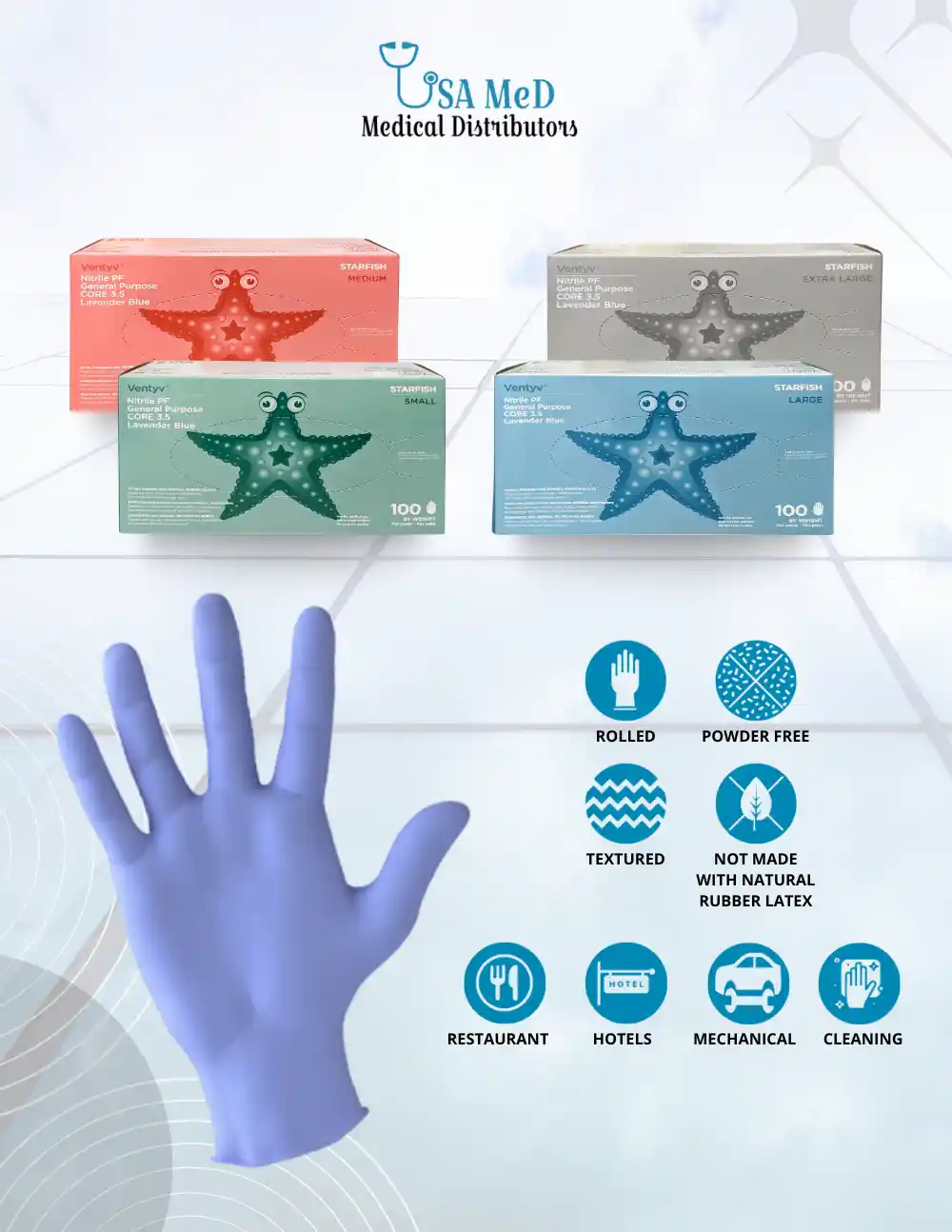
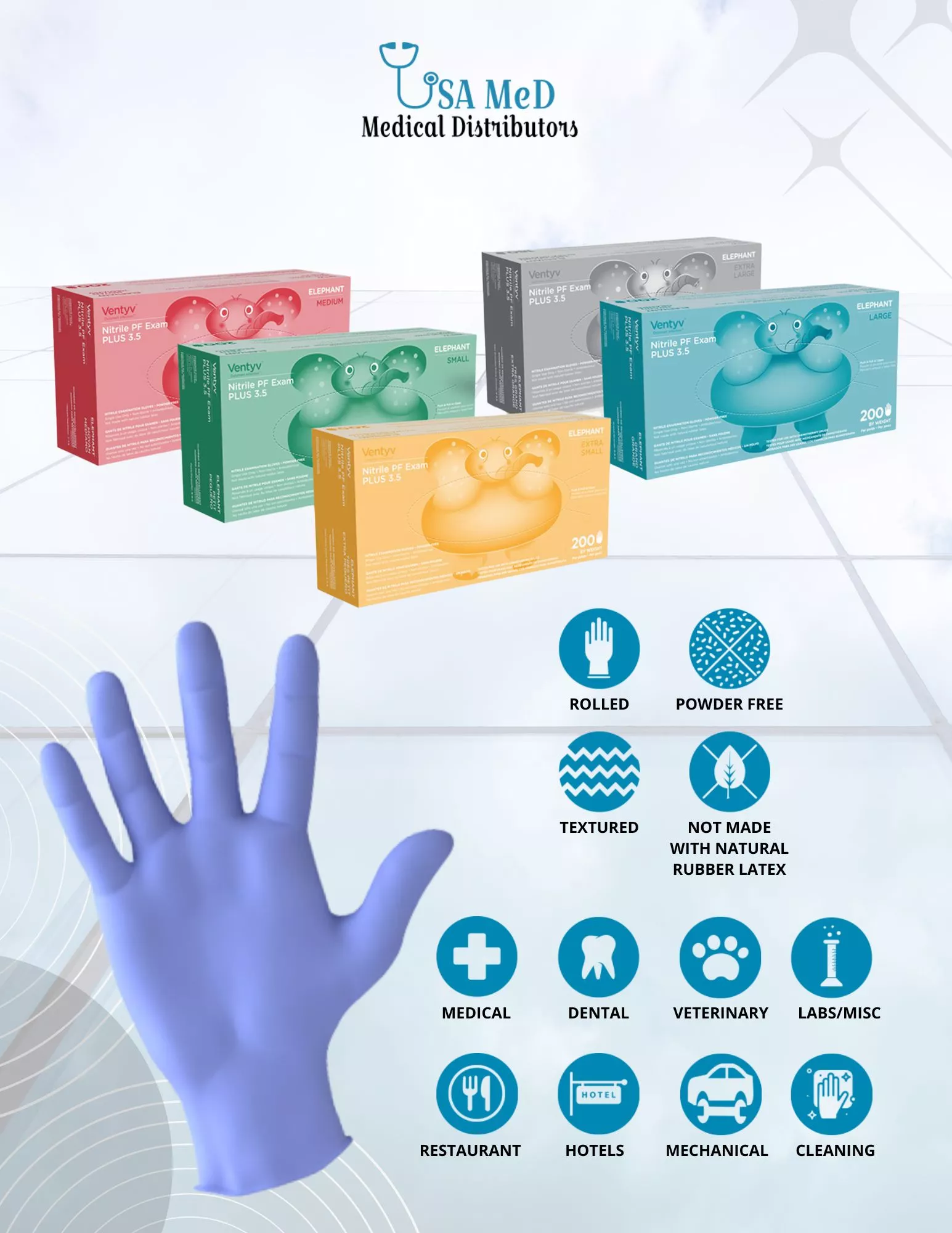
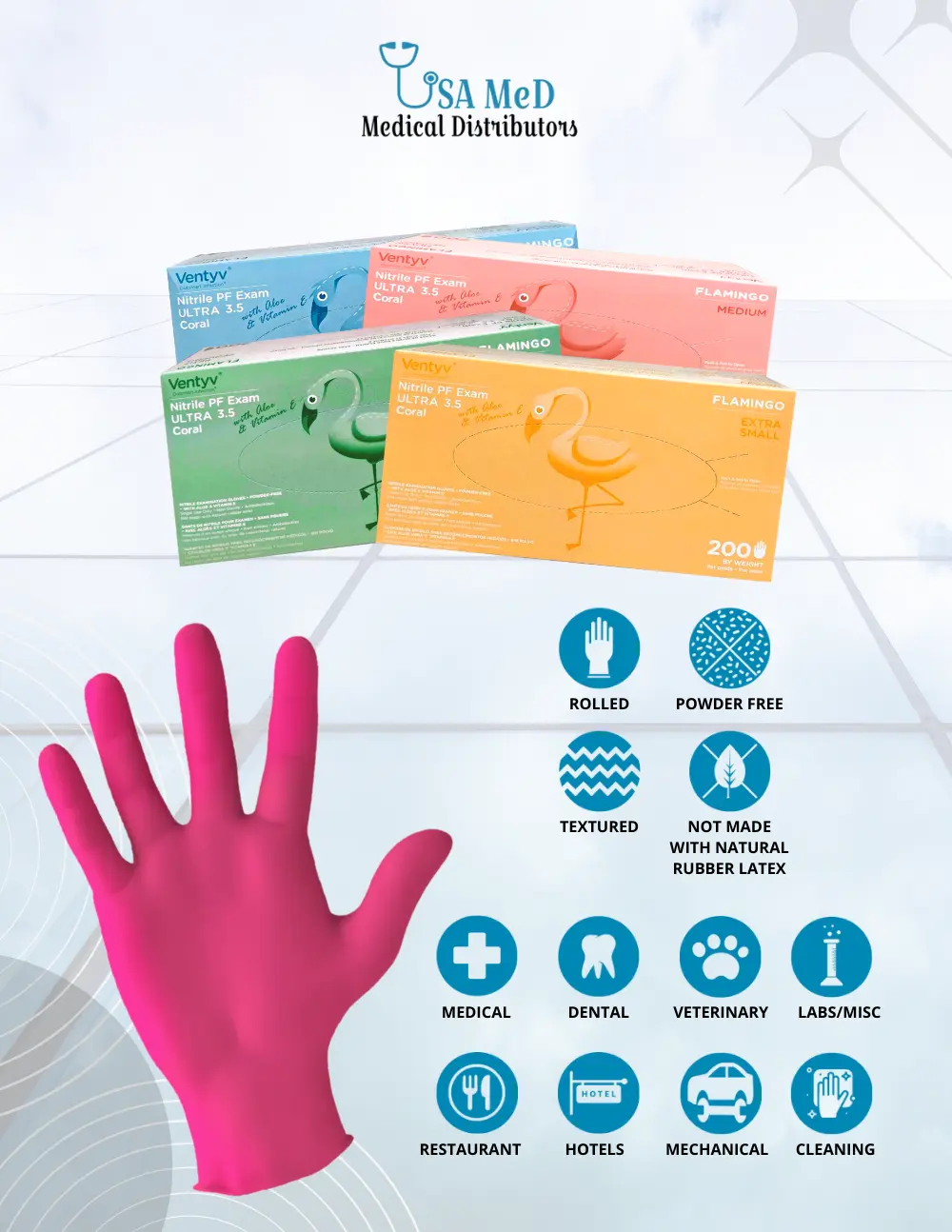
Nitrile gloves are among the most popular latex glove substitute due to their excellent puncture resistance and chemical protection. They are made from synthetic rubber and offer a high level of durability, making them suitable for various applications, including medical and industrial use.
Vinyl gloves are another common alternative. Made from polyvinyl chloride (PVC), these gloves are generally less expensive than nitrile and provide a comfortable fit for short-term tasks. However, they may not offer the same level of protection against chemicals or punctures.
Polyethylene gloves are often used in food service settings due to their lightweight nature and affordability. While they provide minimal barrier protection, they are ideal for tasks that necessitate regular glove changes, such as food preparation.
Neoprene gloves combine the benefits of both rubber and plastic materials. They offer good chemical resistance while maintaining flexibility and comfort. This makes them suitable for a variety of industries, particularly where exposure to harsh substances is common.
Conclusion
In conclusion, the increasing prevalence of latex allergies has made finding latex glove substitute crucial in healthcare and other industries. Safety and well-being are at stake, emphasizing the need for suitable alternatives. As highlighted, non-latex options such as nitrile, vinyl, polyethylene, and neoprene gloves not only provide essential protection but also ensure safety for individuals with sensitivities. By recognizing the unique attributes of these materials, organizations can make knowledgeable choices that enhance workplace safety and compliance with health regulations. Embracing a diverse range of protective handwear is not just a matter of preference; it is an essential step toward fostering a safer environment for all employees and patients alike. Ultimately, prioritizing non-latex alternatives reflects a commitment to health and well-being in every setting where protective gear is required.