How to Choose the Right Food Safety Gloves for Your Needs
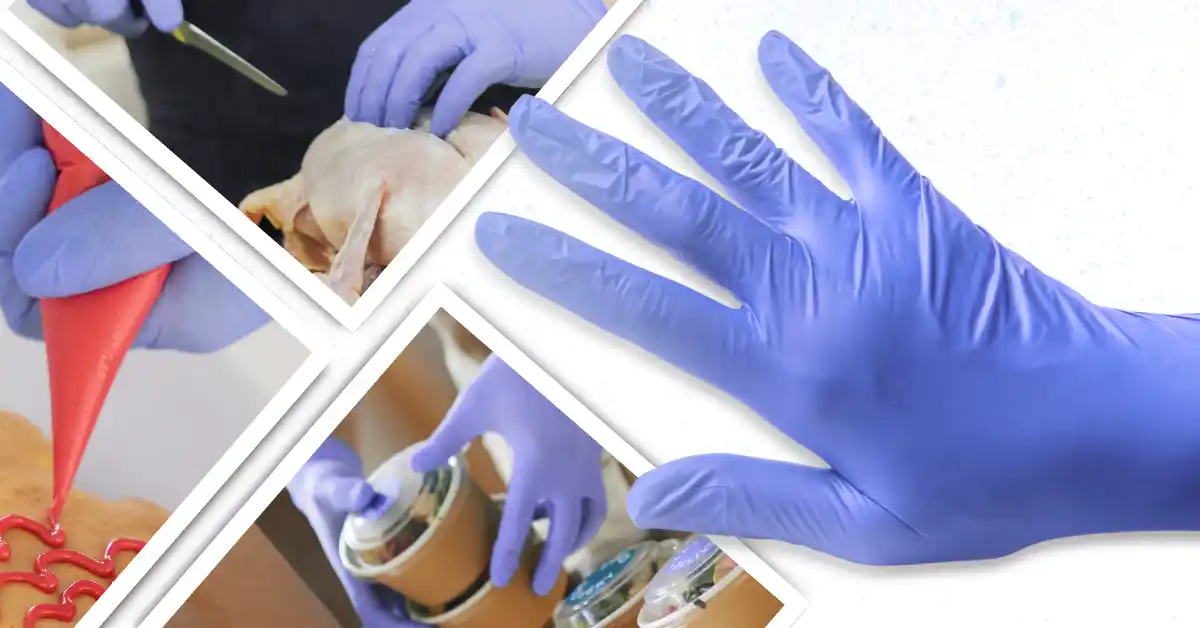
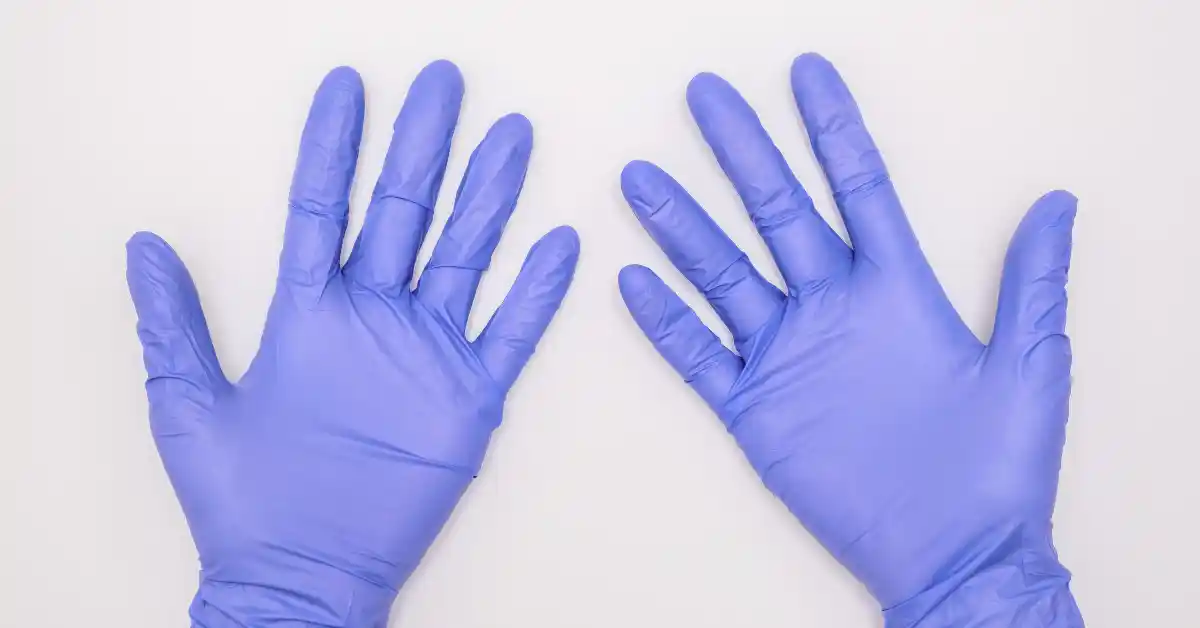
When it comes to maintaining hygiene in the kitchen, choosing the right food safety gloves is essential. The best gloves for kitchen use are those that provide a secure barrier against contaminants while also being comfortable and easy to use. When selecting food safety gloves, consider the material—nitrile, latex, and vinyl are popular choices due to their durability and resistance to punctures.
Equally important is selecting the right size glove. Gloves that are too tight can tear easily or restrict movement, while those that are too loose may slip off or reduce dexterity. Always refer to sizing charts provided by manufacturers and try on different sizes if possible.
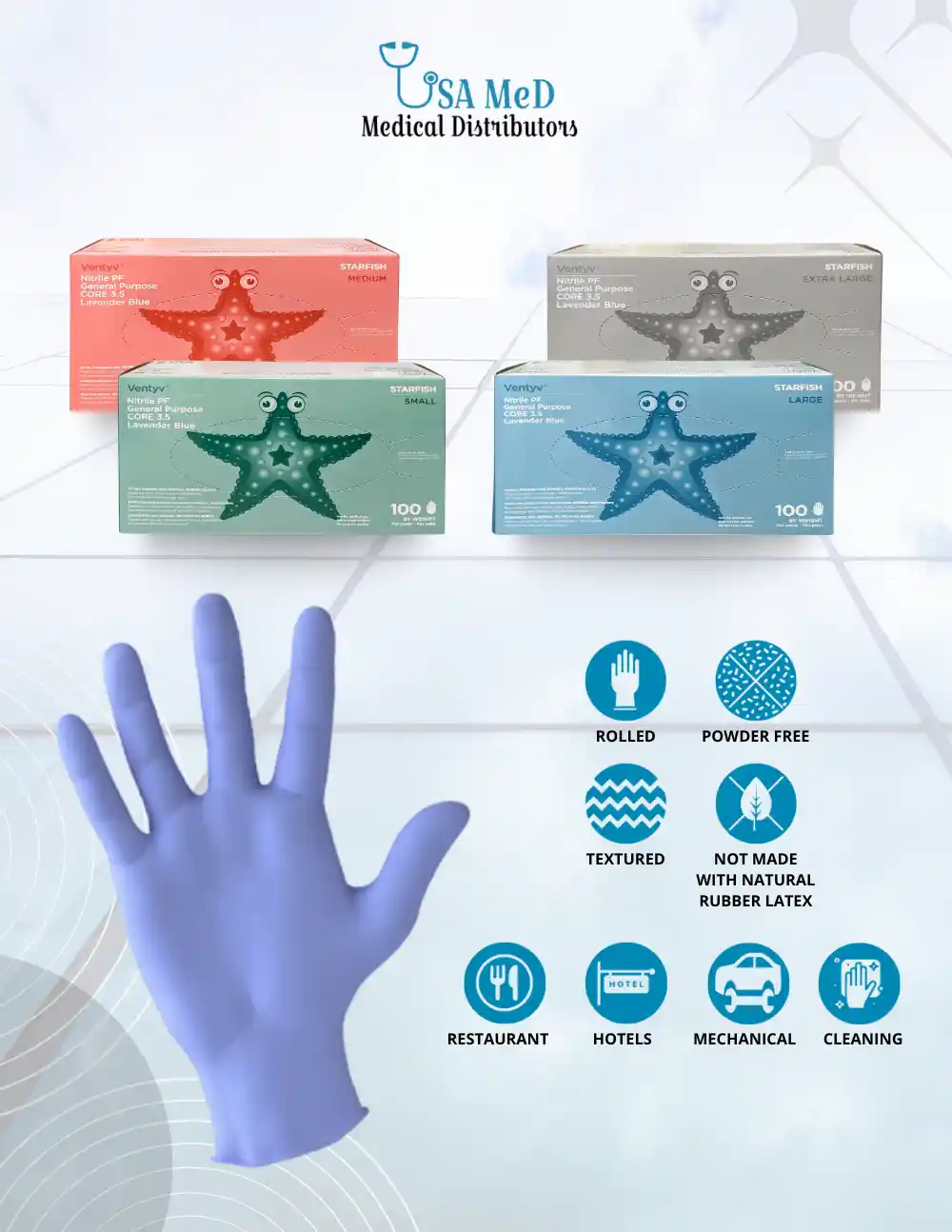
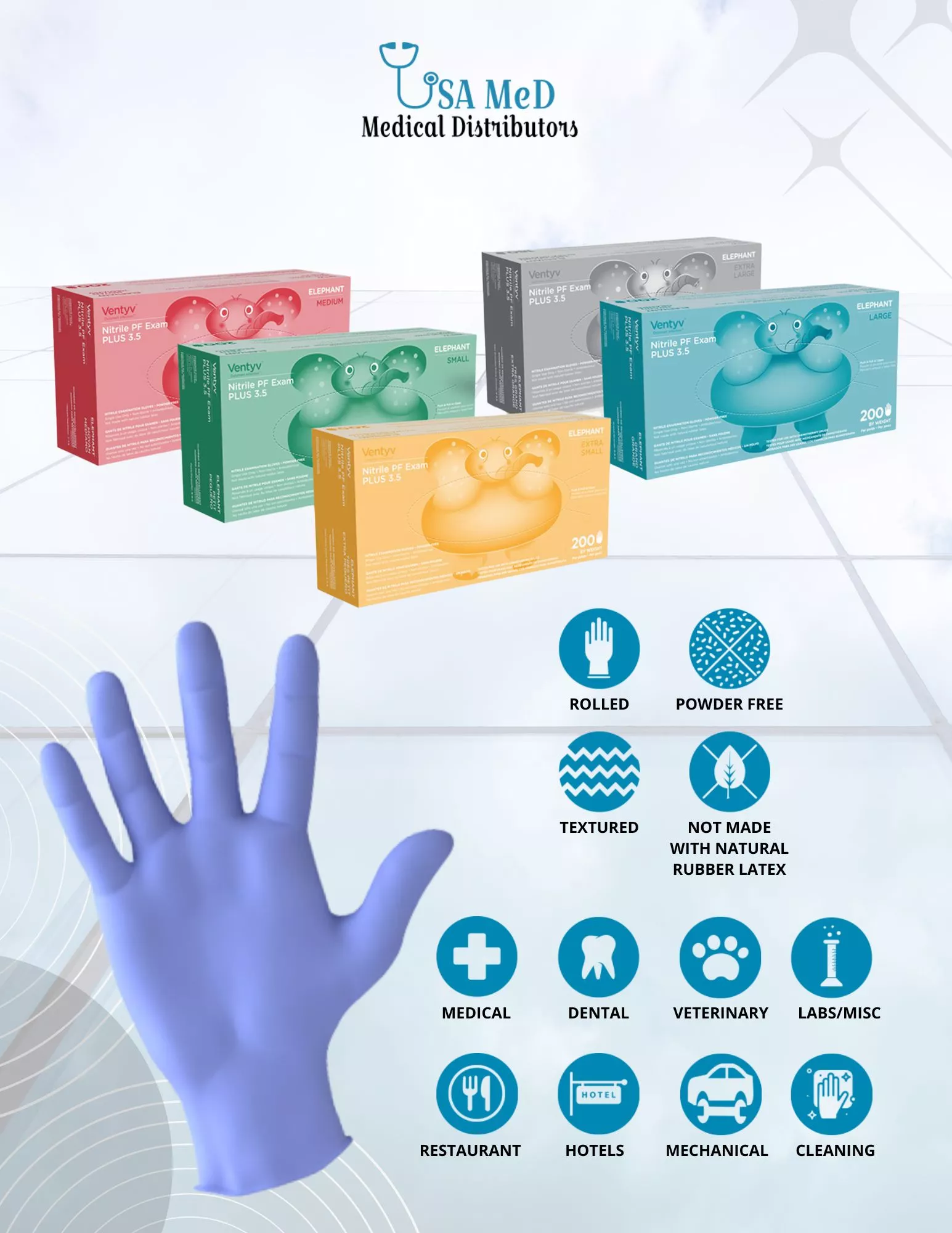
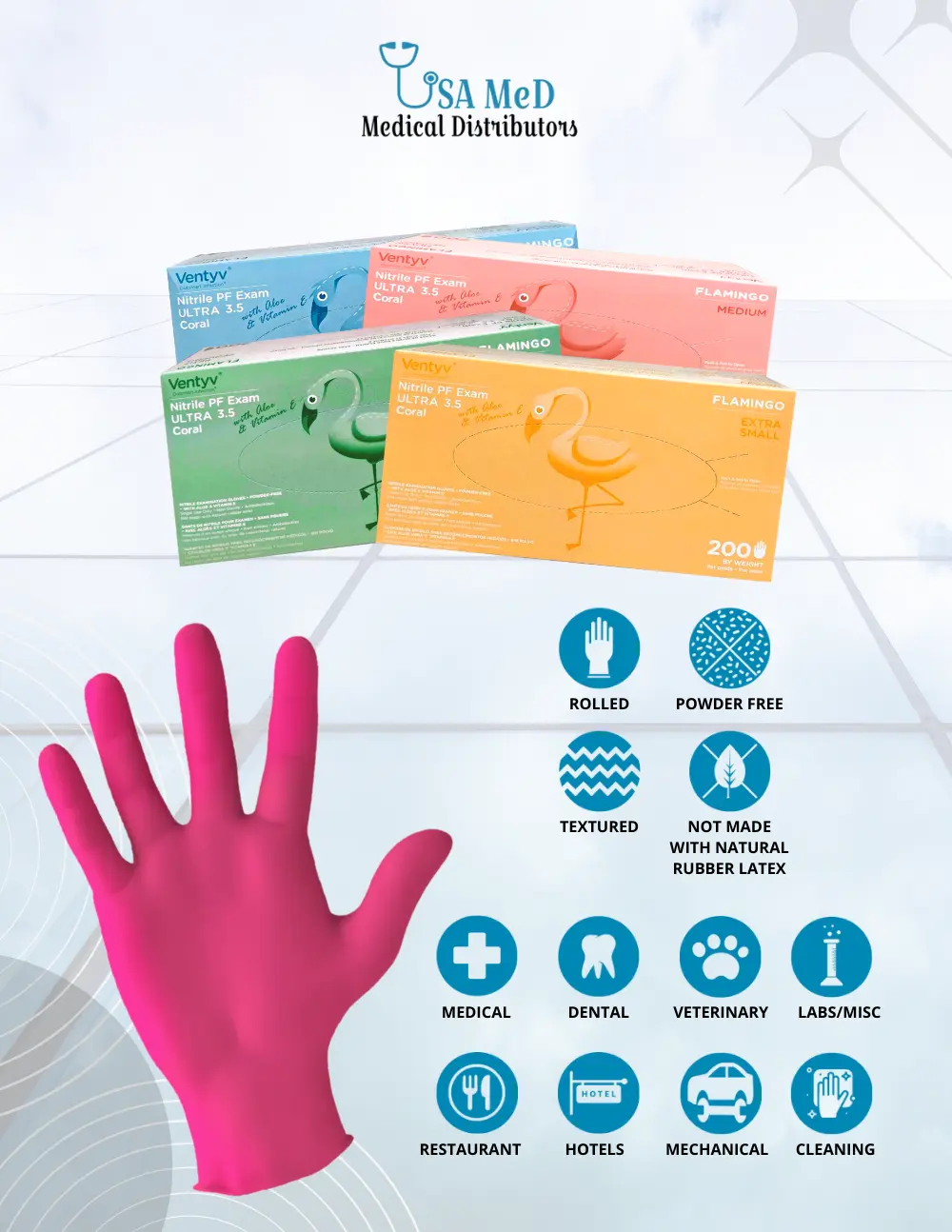
Ventyv gloves offer an excellent solution for reducing cross-contamination in food handling environments. Their textured surfaces enhance grip, making it easier to handle wet or slippery foods safely. Additionally, Ventyv gloves are designed for single-use applications, which helps ensure that bacteria and allergens aren’t transferred from one task to another—a critical factor in any food preparation setting.
By carefully considering these factors—material type, proper sizing, and advanced features like those offered by Ventyv—you can confidently select food safety gloves that will keep your kitchen safe and efficient.
Proper Usage and Disposal of Food Safety Gloves
Proper usage and disposal of food safety gloves are essential steps in maintaining a hygienic kitchen environment. To ensure maximum protection, it’s important to know how to wear disposable gloves correctly. Always start by washing your hands thoroughly before putting on a new pair of gloves. Make sure the gloves fit snugly without tears or holes, as ill-fitting or damaged gloves can compromise safety.
Knowing when to change your food prep gloves is equally crucial. You should always replace your gloves after handling raw meat, seafood, or eggs, and before switching tasks—such as moving from prepping vegetables to assembling cooked foods. Failing to do so increases cross-contamination risks with improper glove use, potentially spreading harmful bacteria between foods and surfaces.
Safe glove disposal practices help maintain cleanliness and prevent contamination outside the kitchen. After removing your used gloves by turning them inside out, immediately discard them in a designated bin for single-use items—never reuse disposable gloves. Finally, wash your hands again after glove removal to ensure any residual contaminants are eliminated from your skin. By following these guidelines, you significantly reduce foodborne illness risks and uphold the highest standards of kitchen hygiene.
Conclusion
In summary, selecting and properly using food safety gloves is a critical component of maintaining a hygienic kitchen environment. By choosing the right material and size—such as durable nitrile, latex, or vinyl options—and considering advanced features like those found in Ventyv gloves, you can effectively reduce cross-contamination risks while ensuring comfort and efficiency. Equally important are best practices for glove usage: always wash hands before donning gloves, change them between tasks or after handling raw foods, and dispose of them safely to prevent the spread of contaminants. Adhering to these guidelines not only protects your food but also safeguards everyone involved in its preparation. Ultimately, thoughtful glove selection combined with proper usage habits forms the foundation for safe and sanitary kitchen operations. Make these practices part of your routine to uphold the highest standards of food safety every day.