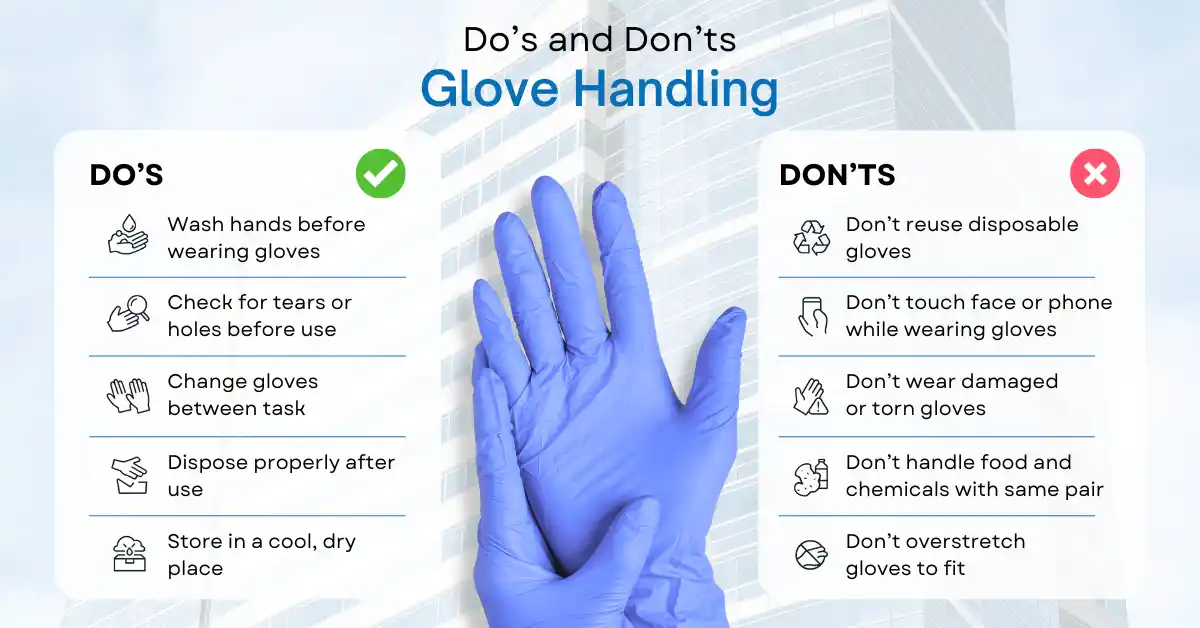
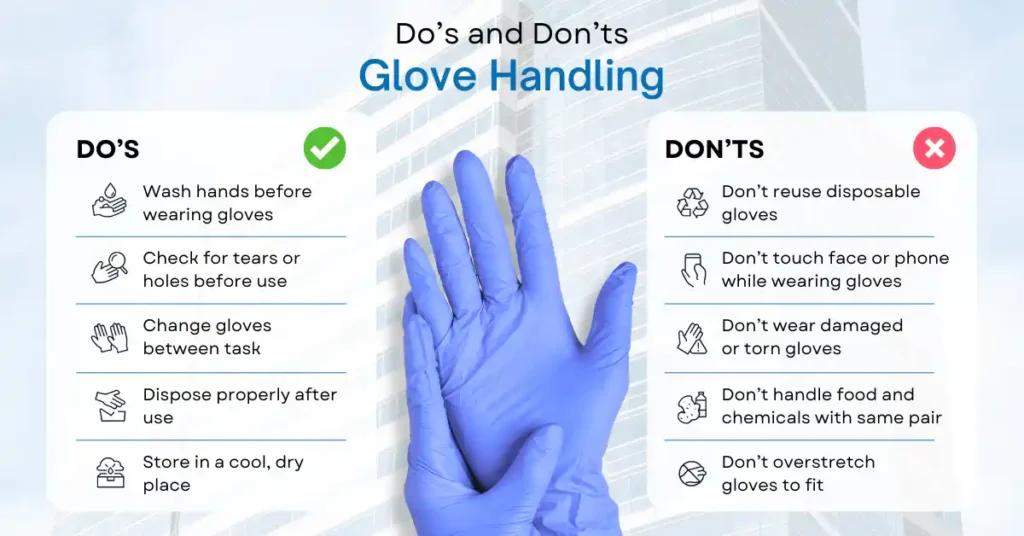
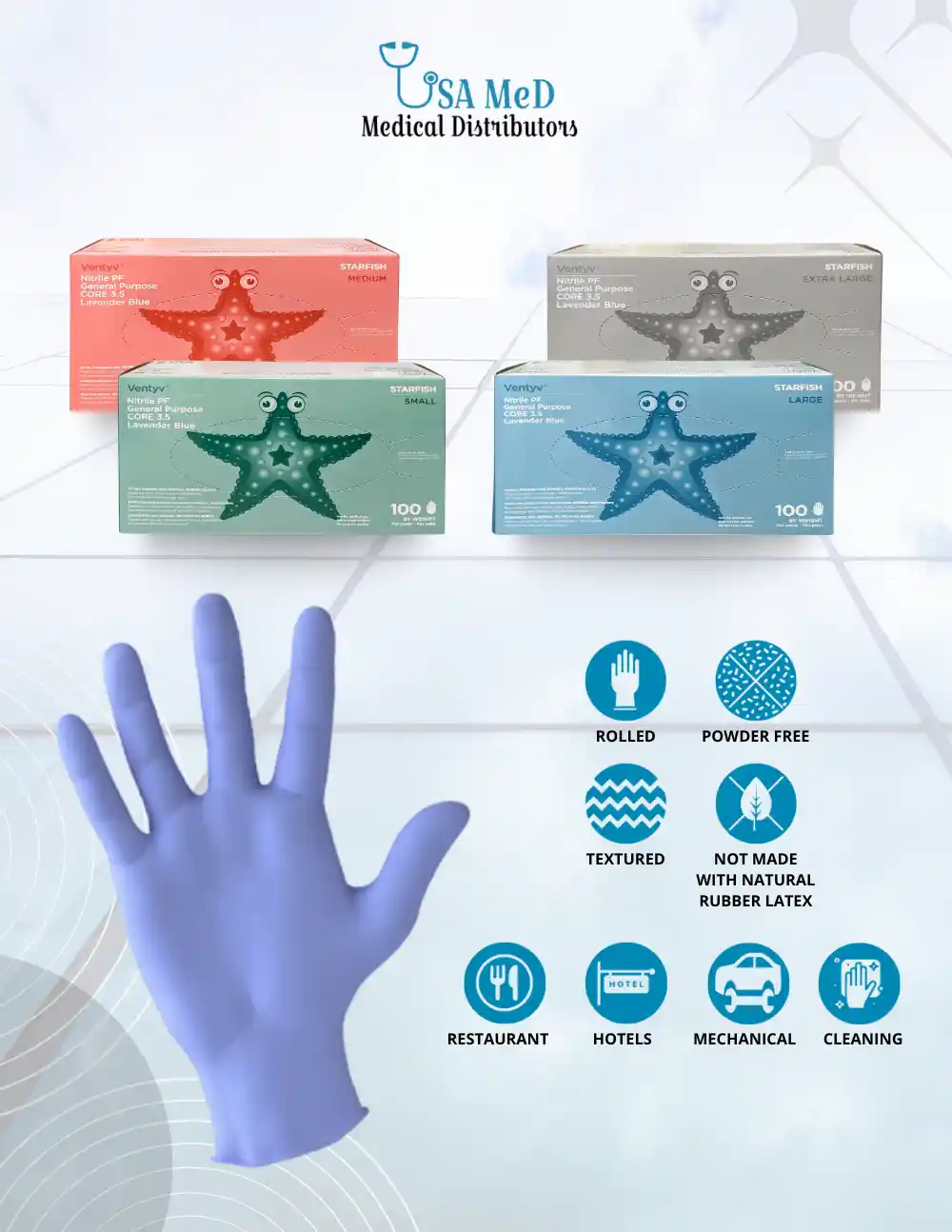
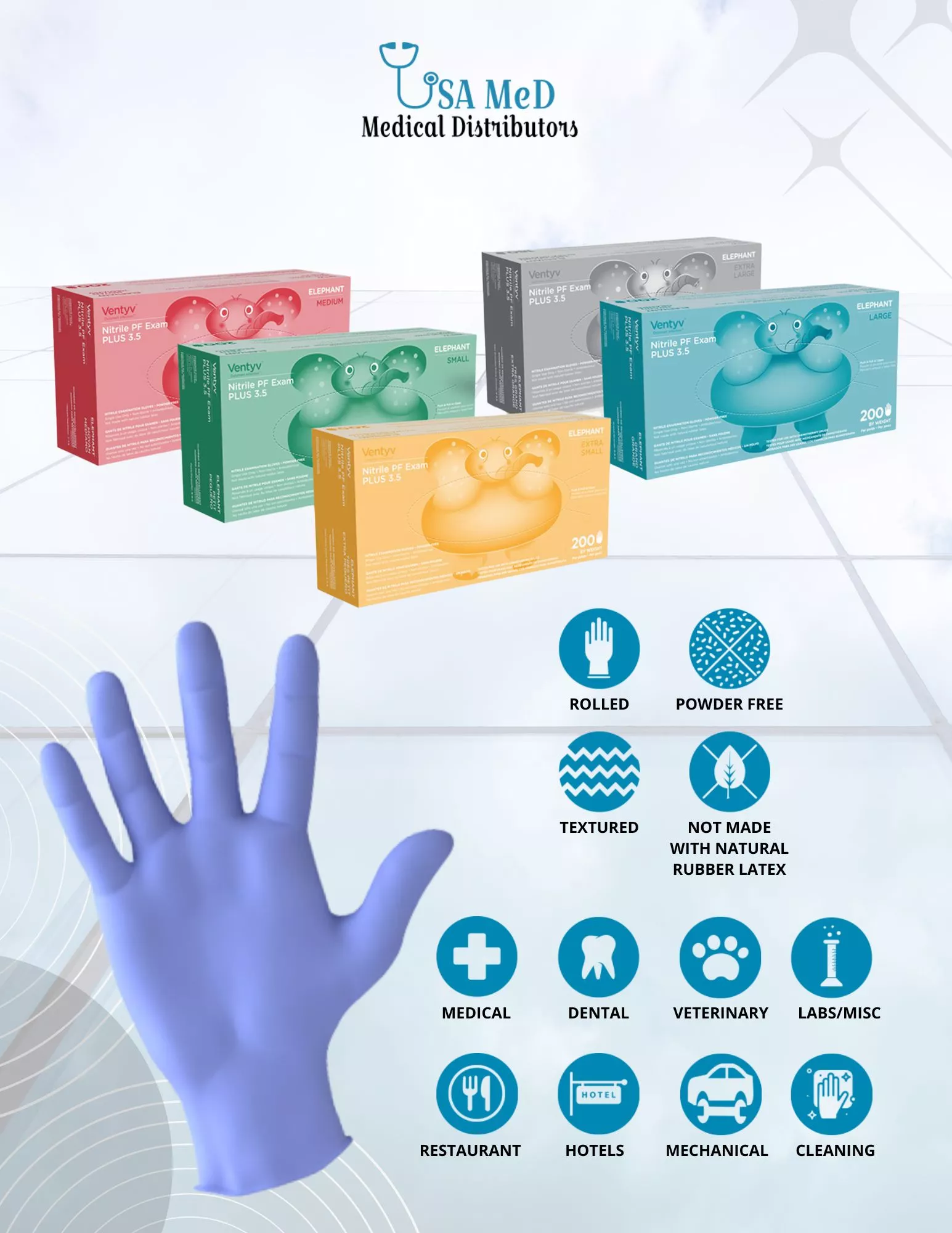
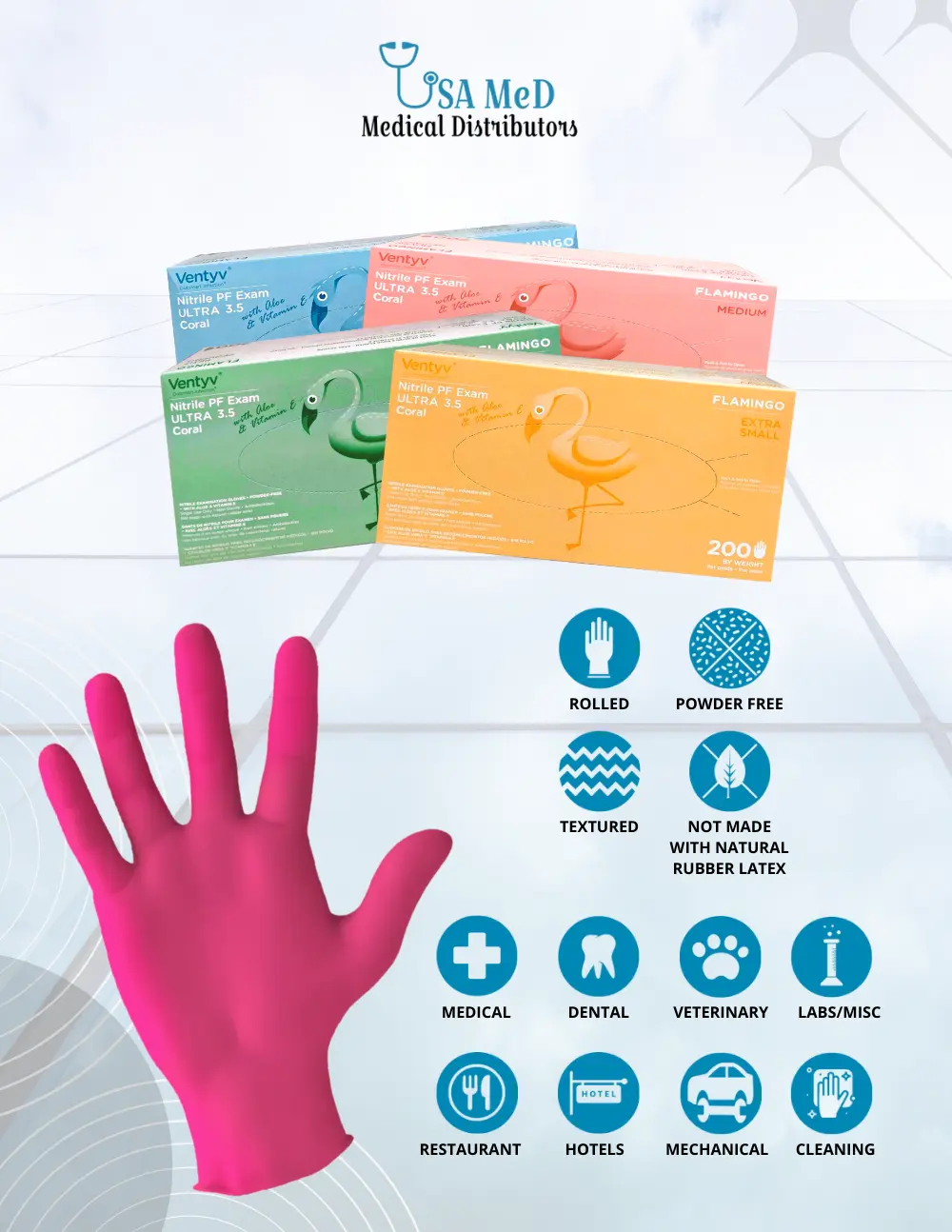
Proper glove hygiene is essential for ensuring safety and preventing contamination. However, even with the best intentions, many people make common mistakes when using disposable gloves. Here are five key glove hygiene tips to keep in mind:
1. **Reusing Disposable Gloves**: Disposable gloves are intended for one-time use only. Reusing them increases the risk of spreading bacteria and other pathogens, compromising their effectiveness.
2. **Touching Your Face**: While wearing gloves might give a sense of protection, touching your face—especially your eyes, nose, or mouth—can transfer contaminants from the glove surface directly onto your skin.
3. **Neglecting Hand Hygiene**: It’s important to wash your hands before putting on gloves and immediately after removing them. This step ensures that any germs present on your hands don’t get trapped inside the gloves or transferred after removal.
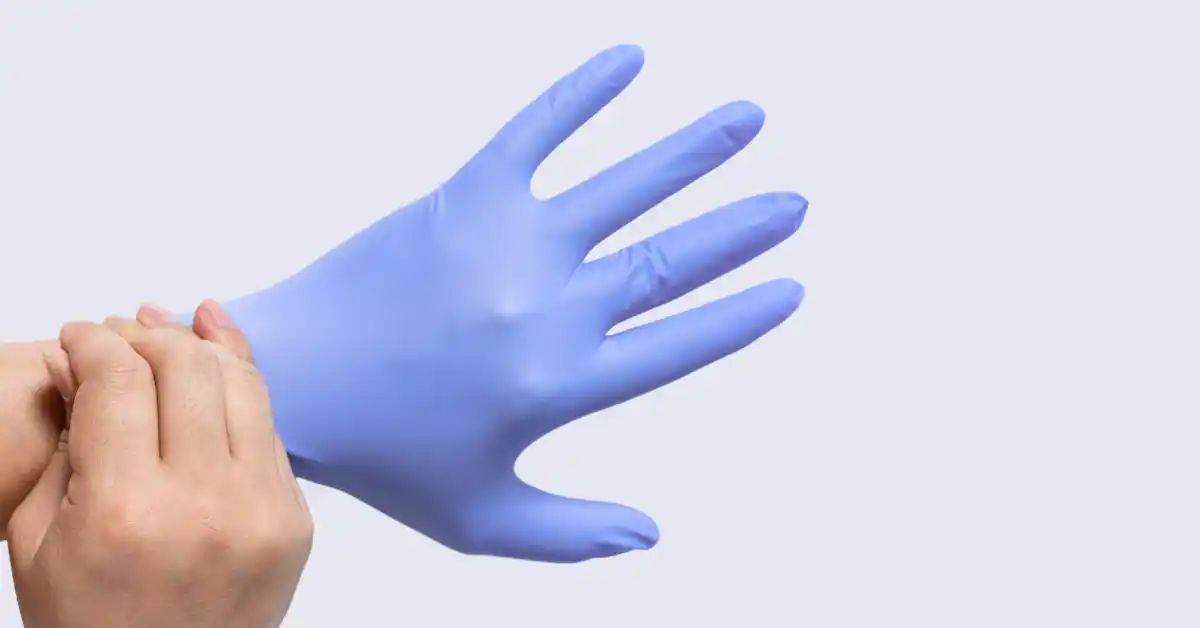
4. **Improper Removal Technique**: Removing disposable gloves incorrectly can cause contaminants on the exterior to come into contact with your skin. Always peel off gloves from the wrist and turn them inside out as you remove them.
5. **Wearing Damaged Gloves**: Torn or punctured gloves offer little protection against germs and chemicals. Always inspect each pair before use and replace them if they show any signs of damage.
By following these glove hygiene tips, you can maximize the protective benefits of disposable gloves while minimizing health risks for yourself and others.
Understanding the Importance of Glove Hygiene
Glove hygiene is a critical aspect of infection prevention, especially in healthcare and food service settings. While gloves provide a protective barrier between your hands and potentially harmful substances, their effectiveness depends heavily on proper usage and hygiene practices. Many people mistakenly believe that simply wearing gloves is enough to ensure safety; however, without proper glove hygiene, the risk of cross-contamination remains high.
Why glove hygiene matters becomes clear when considering how easily pathogens can transfer from one surface to another. When gloves are used improperly—such as touching multiple surfaces or failing to change them between tasks—they can carry bacteria and viruses just as bare hands would. This not only undermines infection prevention efforts but may also give a false sense of security.
It’s essential to remember that hand hygiene and gloves go hand in hand. Hands should be thoroughly washed or sanitized before putting on gloves and immediately after removing them. Adhering to these practices reduces the likelihood of contaminating the gloves themselves or spreading germs after glove removal.
By prioritizing glove hygiene, individuals and organizations can significantly minimize risks associated with cross-contamination, ultimately creating safer environments for everyone involved.
Conclusion
In conclusion, proper glove hygiene is a vital component of infection prevention and safety in both healthcare and everyday settings. By understanding that gloves are only effective when used correctly, individuals can avoid common mistakes such as reusing disposable gloves, touching their face, neglecting hand hygiene, removing gloves improperly, or wearing damaged pairs. These simple yet crucial practices help prevent cross-contamination and ensure that the protective barrier provided by gloves remains intact. Ultimately, integrating thorough hand washing with mindful glove use significantly reduces the risk of spreading harmful pathogens. Prioritizing glove hygiene not only safeguards your own health but also contributes to the well-being of those around you. With consistent attention to these guidelines, we can all play a part in maintaining safer environments for everyone.