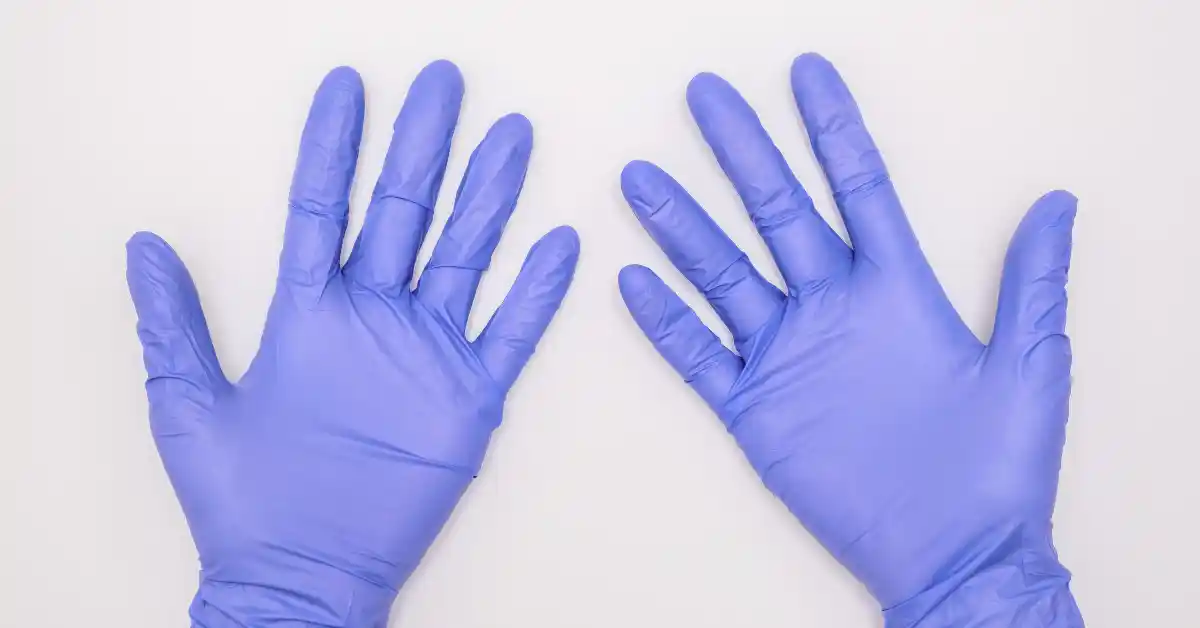
Ensuring a proper glove fit is essential for both safety and performance in any work environment. When gloves fit correctly, they provide optimal protection against hazards such as cuts, abrasions, and chemical exposure. Ill-fitting gloves, on the other hand, can compromise safety by restricting movement or leaving gaps that expose the skin to potential dangers.
A proper glove fit allows for better dexterity and tactile sensitivity. This means that workers can handle tools and materials with greater precision, reducing the risk of accidents caused by slipping or dropping objects. Additionally, well-fitted gloves reduce hand fatigue by minimizing the effort needed to grip or manipulate items throughout the day.
Comfort also plays a significant role in performance. Gloves that are too tight may cause discomfort or restrict blood flow, while loose gloves can bunch up and lead to blisters. By choosing gloves that conform to the hands without being restrictive, workers are more likely to wear them consistently—ensuring ongoing protection.
Common Signs Your Gloves Don’t Fit Correctly
Wearing gloves that don’t fit properly can lead to a range of issues, from discomfort to decreased hand performance. One of the most obvious signs is when gloves feel too tight or loose. Gloves that are too tight may restrict movement, cause hand fatigue, and even reduce circulation, leading to numbness or tingling sensations. On the other hand, gloves that are too loose can slip around during use, making it difficult to maintain a secure grip.
Improper glove fit symptoms often include persistent discomfort while wearing the gloves, difficulty in bending your fingers fully, and visible marks on your skin after removing them. Another common issue is developing blisters from gloves that don’t fit correctly—either due to excessive friction from loose gloves or pinching from tight ones.
Hand fatigue from gloves is also a telltale sign of poor fit. If you notice your hands feeling unusually tired or strained after wearing your gloves for a short period, it’s likely they aren’t providing the proper support. To ensure you have the proper glove fit, always try on different sizes and styles before purchasing and pay attention to how they feel during actual use. Properly fitting gloves should provide comfort without restricting movement or causing irritation.
Conclusion
In conclusion, achieving a proper glove fit is crucial for maintaining both safety and optimal performance in the workplace. Well-fitted gloves not only protect against hazards like cuts and chemical exposure but also enhance dexterity, reduce hand fatigue, and promote consistent use by ensuring comfort. Recognizing signs of poor fit—such as tightness, looseness, discomfort, or blisters—is essential to prevent decreased hand function and potential injuries. By prioritizing glove fit through careful selection and attention to comfort during use, workers can safeguard their hands while maximizing efficiency on the job. Ultimately, investing time in finding the right gloves pays off in improved safety outcomes and better overall work performance.