The Importance of Using Gloves Correctly
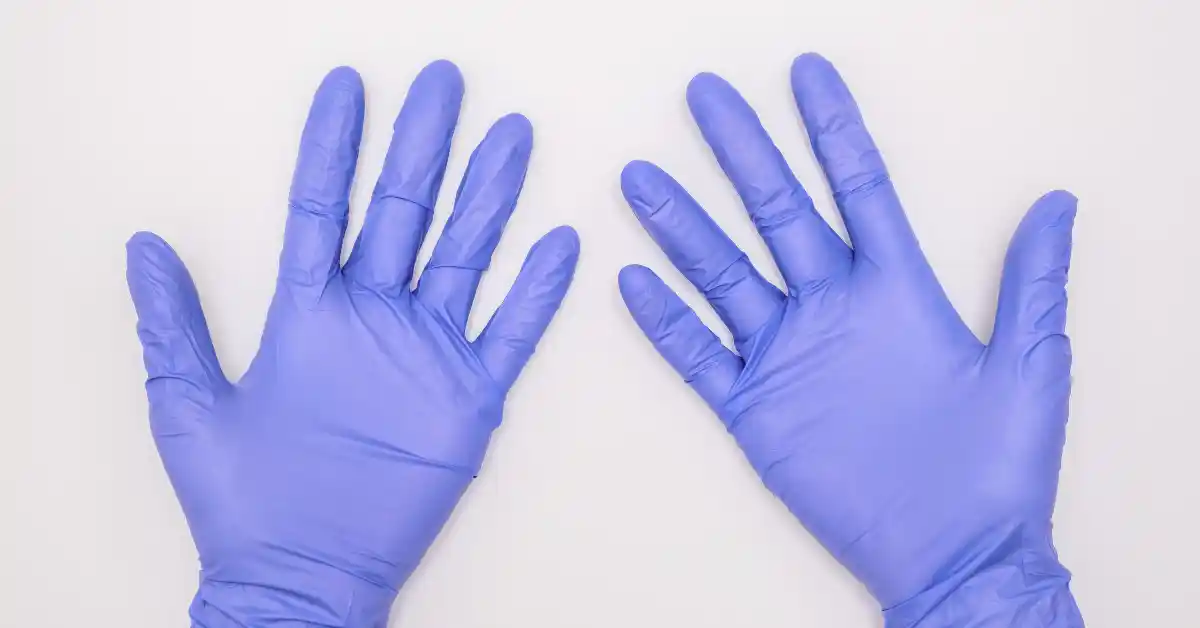
Using gloves correctly is vital for maintaining health and safety across various settings, especially in healthcare and food service industries. To use gloves properly, it is essential to follow specific guidelines that ensure their effectiveness in protecting both the user and those they serve.
First and foremost, glove hygiene plays a crucial role in infection control. Gloves should be worn when there is a risk of exposure to hazardous materials or infectious agents. However, it’s important to remember that gloves are not a substitute for handwashing. Before putting on gloves, hands should be thoroughly washed and dried to minimize contamination.
When selecting safety gloves, consider the type of task at hand. Different materials offer varying levels of protection against chemicals, biological agents, or physical hazards. It’s essential to choose the right glove for the job to ensure optimal safety.
Furthermore, proper donning and doffing techniques must be employed to prevent cross-contamination. After removing gloves, hands should be washed immediately to eliminate any potential pathogens that may have been transferred during use.
By adhering to these practices regarding glove hygiene and usage, individuals can significantly enhance their health and safety measures while effectively controlling infections in various environments.
Common Mistakes When Using Gloves and How to Avoid Them
When it comes to glove usage, many individuals and professionals make common mistakes that can compromise safety and hygiene. Understanding these glove usage errors is crucial for ensuring effective protection.
One of the most frequent issues is improper handling of gloves. Many people forget to wash their hands before putting on gloves, which can lead to contamination right from the start. It’s essential to start with clean hands to maintain hygiene throughout the process.
Another common mistake involves wearing gloves for too long without changing them. Gloves can become contaminated over time, so it’s vital to replace them regularly, especially when switching tasks or after contact with potentially hazardous materials.
Additionally, glove hygiene mistakes often occur when individuals do not remove gloves properly. To avoid cross-contamination, always peel off gloves from the inside out and dispose of them immediately in a designated waste container.
To use gloves properly, it’s important to select the right type of glove for your specific task—whether it be latex, nitrile, or vinyl—and ensure they fit correctly. By adhering to these guidelines and being mindful of common pitfalls, you can significantly enhance your safety and hygiene practices while using gloves.
Conclusion
In conclusion, the correct use of gloves is essential for ensuring health and safety. This is particular in high-risk environments such as healthcare and food service. By emphasizing glove hygiene, selecting appropriate materials for specific tasks, and employing proper donning and doffing techniques, individuals can greatly reduce the risk of contamination and infection. Awareness of common mistakes—such as neglecting handwashing before glove use or failing to change gloves regularly—further underscores the importance of diligence in glove handling. Ultimately, by following these guidelines and remaining vigilant about proper glove usage, we can enhance our protective measures and contribute to a safer environment for everyone involved. Let us commit to these practices to safeguard our health and that of others around us.