Nitrile Gloves for Labs: The Essential Guide to Safety and Performance

nitrile gloves for labs - USAMED Medical Distributors

What Makes Nitrile Gloves Ideal for Laboratory Use?

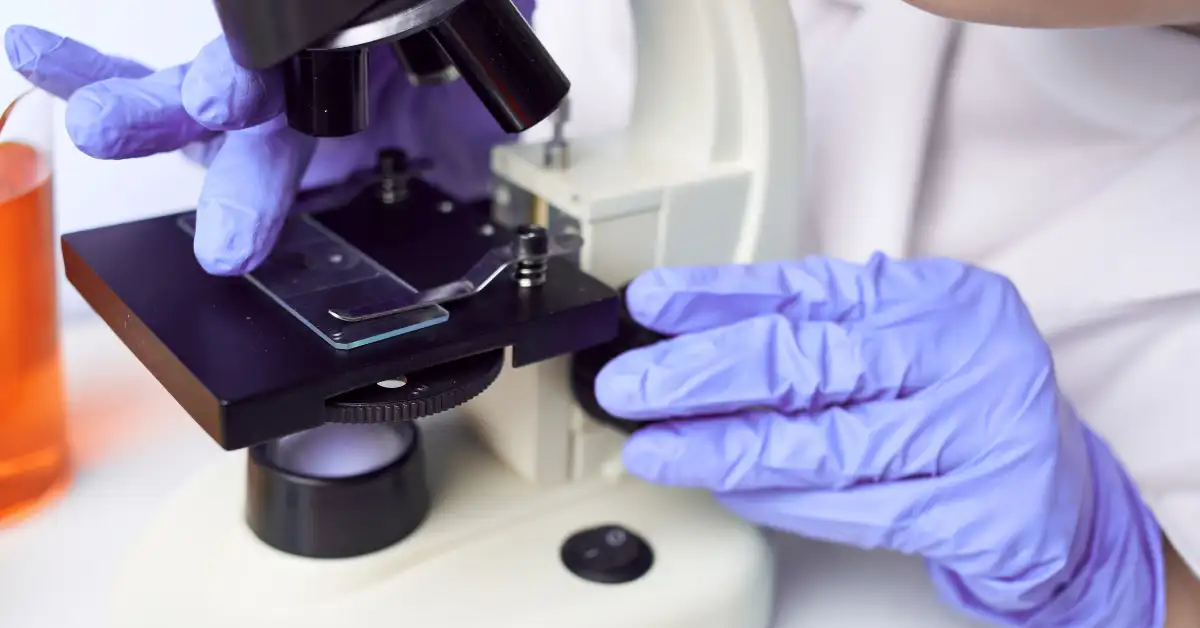
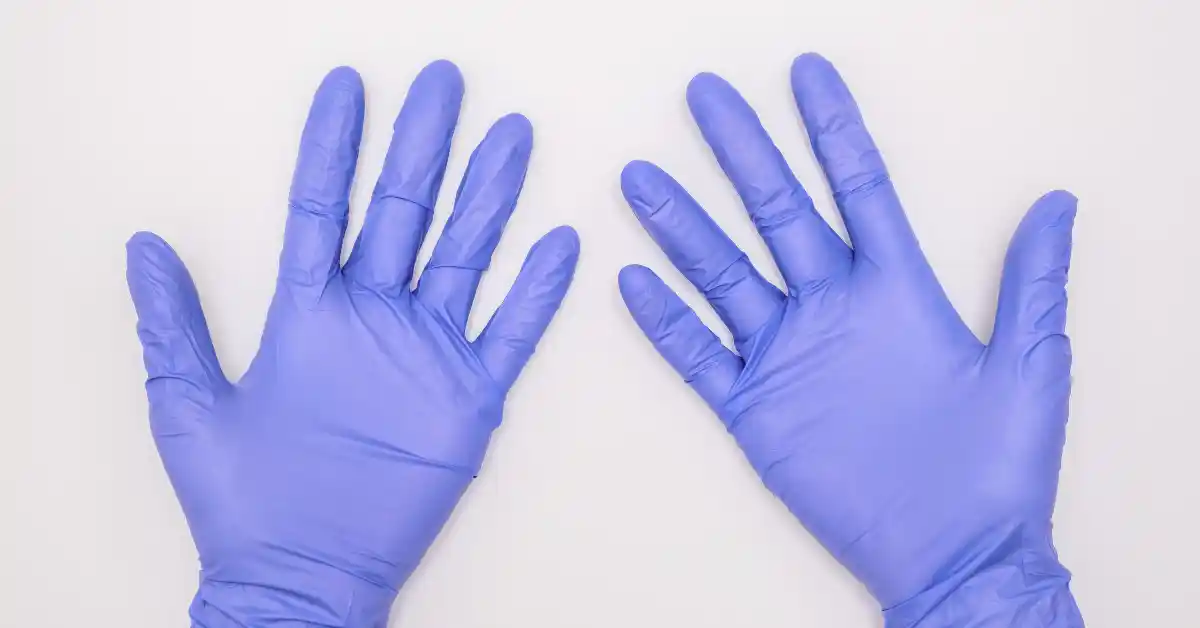
When it comes to lab safety gloves, nitrile gloves have become the preferred choice for many laboratory professionals. One of the primary reasons is their superior chemical resistance. Nitrile material benefits include protection against a wide range of chemicals commonly handled in labs, such as solvents, acids, and oils. This makes nitrile gloves for labs a reliable barrier between your skin and potentially hazardous substances.

Another significant advantage is that nitrile gloves are latex-free gloves. This feature is especially important in environments where allergies to natural rubber latex can be a concern. By choosing latex-free options, laboratories help protect both staff and subjects from allergic reactions.

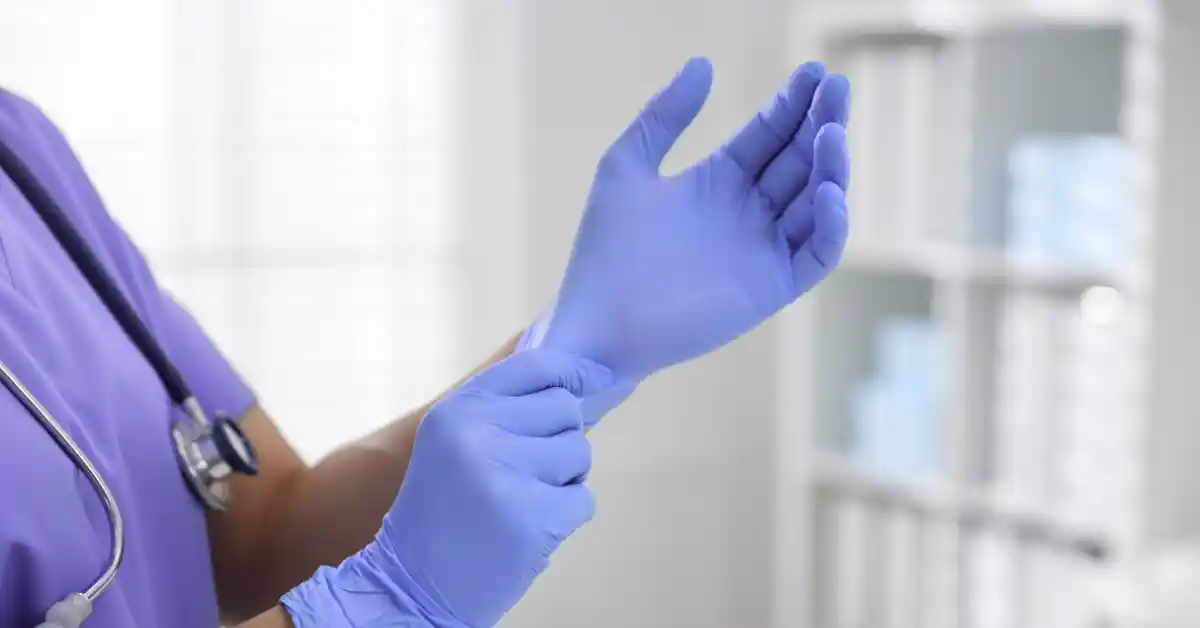
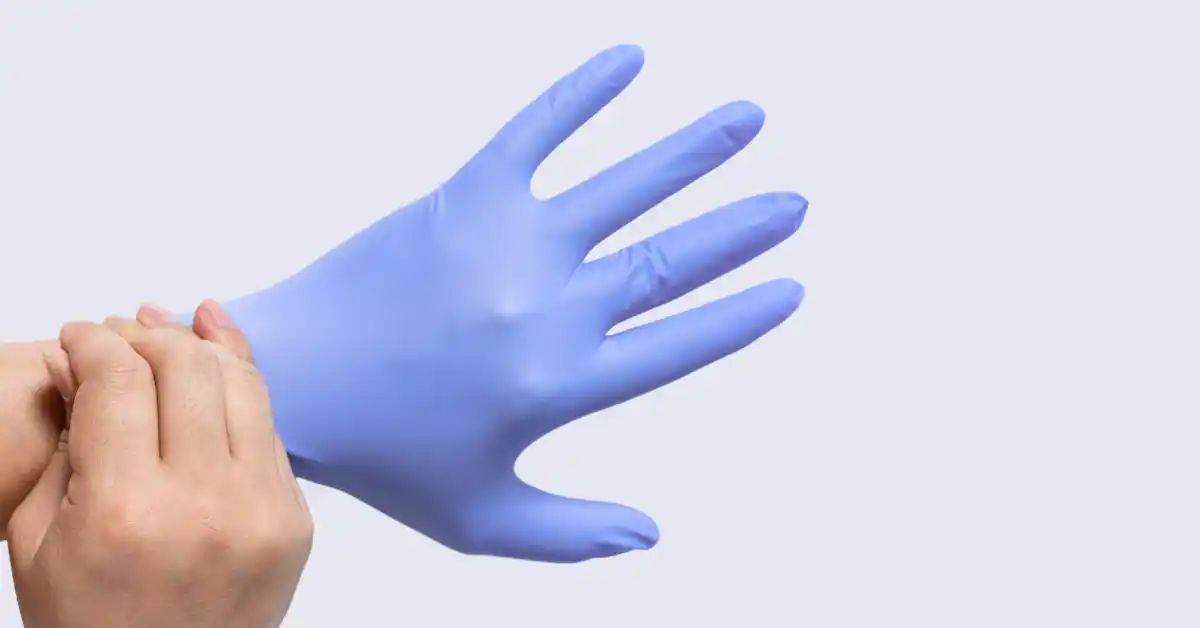
Additionally, nitrile gloves offer excellent durability and puncture resistance compared to traditional latex or vinyl alternatives. Their snug fit ensures dexterity and tactile sensitivity—crucial factors when handling delicate instruments or performing precise tasks.

Key Features of Nitrile Gloves for Laboratory Use

When selecting gloves for laboratory environments, nitrile gloves stand out due to their combination of safety, comfort, and functionality. One primary advantage is their puncture resistance. They offer superior protection against accidental needle sticks. They also protect better from sharp instruments than latex or vinyl gloves. This makes them ideal for handling hazardous materials and delicate lab work.

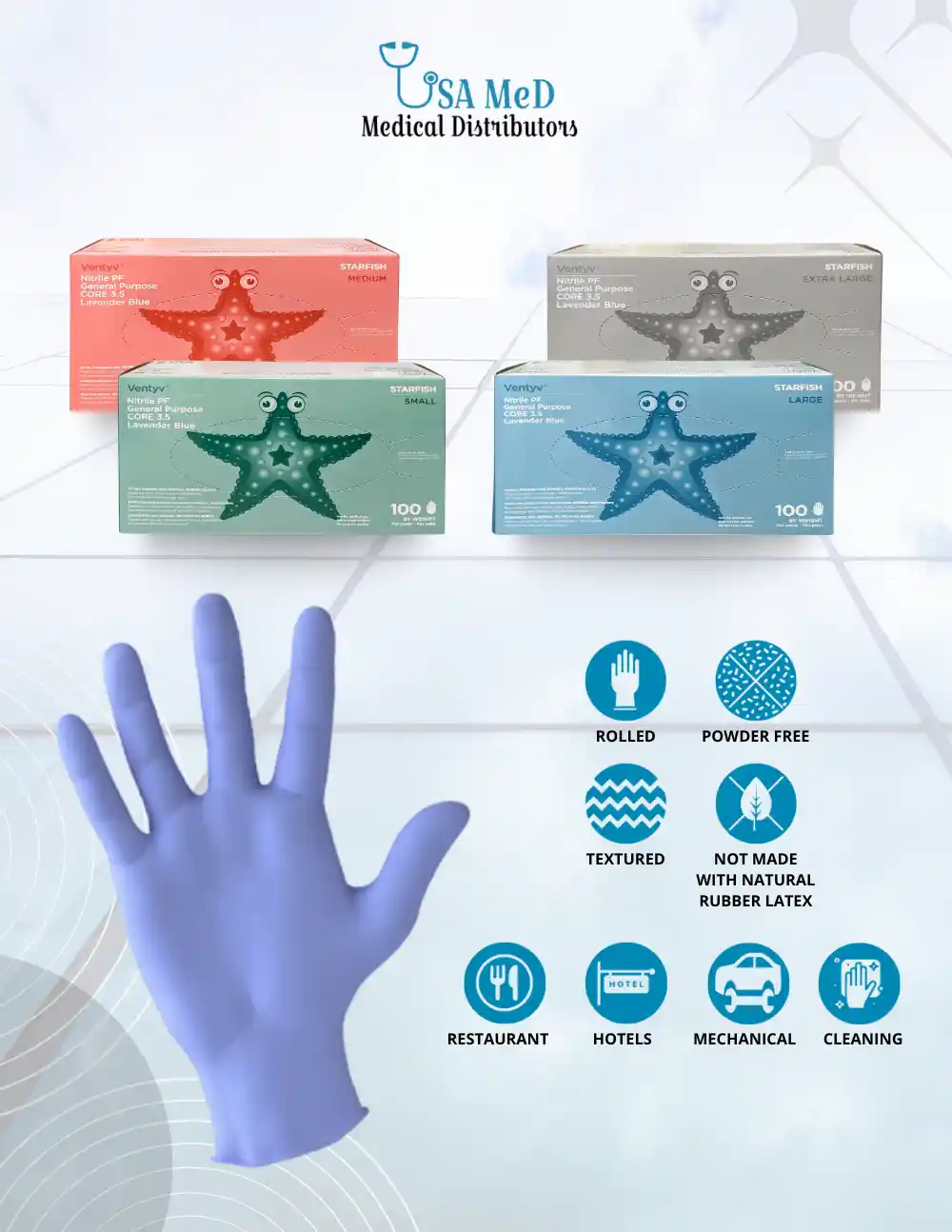
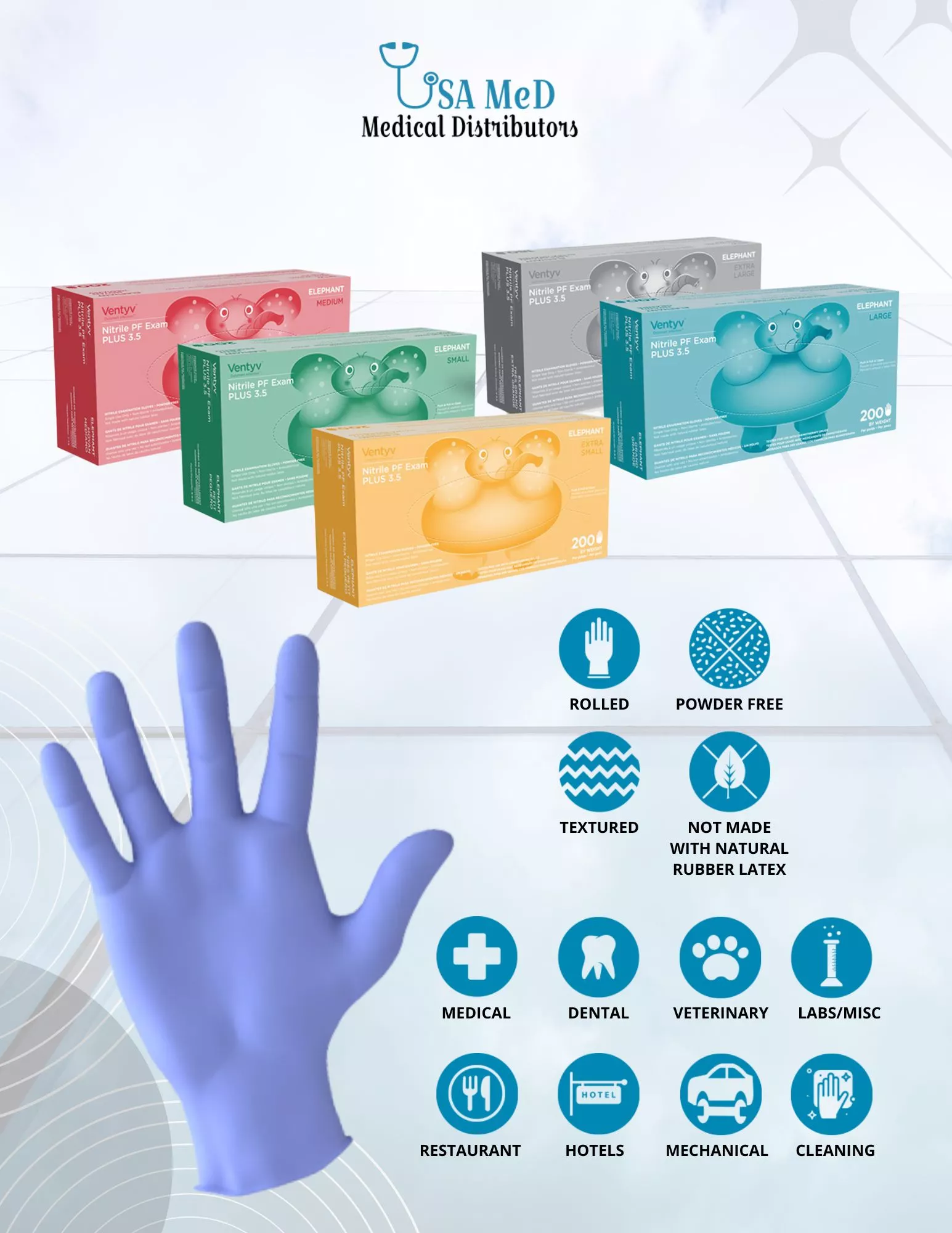
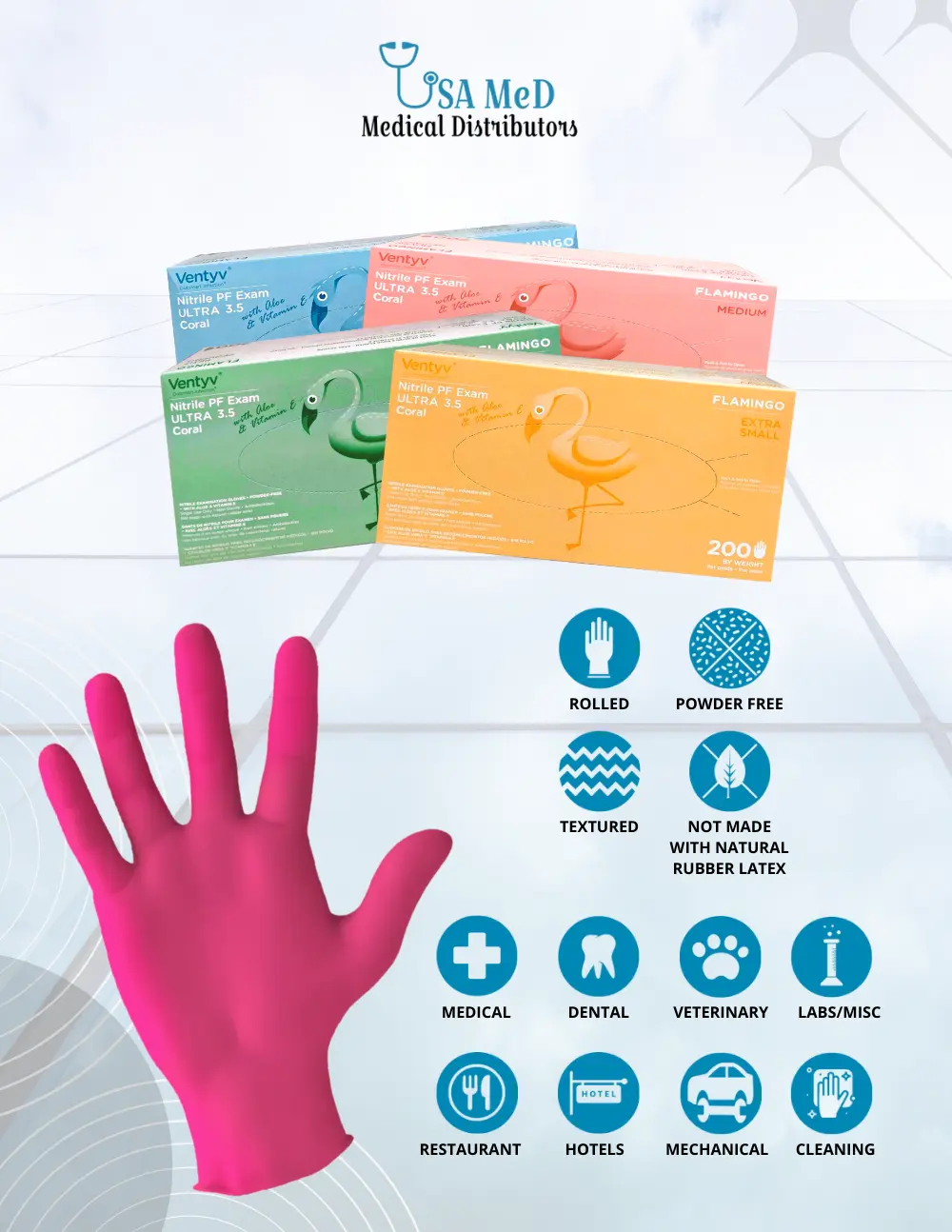
Powder-free nitrile gloves are also a popular choice in labs. The absence of powder reduces contamination risk in sensitive experiments. It also prevents allergic reactions in users and test subjects. In addition, textured grip gloves provide enhanced dexterity and control when handling glassware or small instruments, ensuring tasks can be performed with precision even in wet conditions.

Glove thickness for labs is another critical consideration. Thicker nitrile gloves offer increased protection against chemicals and tears while still maintaining flexibility for detailed work. Lastly, hypoallergenic lab gloves made from nitrile are an excellent solution for those with latex allergies. They ensure safety without compromising comfort. They also maintain performance during extended use in laboratory settings.

Conclusion

In conclusion, nitrile gloves have established themselves as the gold standard for laboratory safety due to their exceptional chemical resistance, durability, and hypoallergenic properties. Their latex-free composition makes them suitable for all users, effectively minimizing the risk of allergic reactions in sensitive environments. The superior puncture resistance and textured grip further enhance protection and dexterity when handling hazardous materials or delicate instruments. Powder-free options reduce contamination risks, while varying glove thicknesses allow laboratories to tailor protection levels to specific tasks without sacrificing comfort or flexibility. Ultimately, by choosing nitrile gloves for lab use, professionals can ensure a safer workspace that prioritizes both performance and well-being—a crucial step toward maintaining high standards in scientific research and experimentation.

“Please subscribe to get notified about exclusive offers. Thank you! “

Subscription Form
By submitting your information, you are giving us permission to email you. You may unsubscribe at anytime.

Share This Article:

Related Posts

exam gloves bulk pricing - USAMED Medical Distributors

Exam Gloves Bulk Pricing

Why Buy Exam Gloves in Bulk? When it comes to essential healthcare supplies, purchasing exam gloves in bulk offers significant advantages for clinics, hospitals, and


Gloves That Feel Like Skin-USAMED Medical Distributors

Gloves That Feel Like Skin

Understanding Gloves That Feel Like Skin: What Makes Them Unique? In recent years, the demand for gloves that feel like skin has surged across various