Understanding Non-Toxic Disposable Gloves
Understanding non-toxic disposable gloves is essential for making informed choices in both personal and professional settings. These gloves are designed to provide safety and protection without compromising health or the environment. When searching for safe disposable gloves, it’s important to consider the materials used in their production.
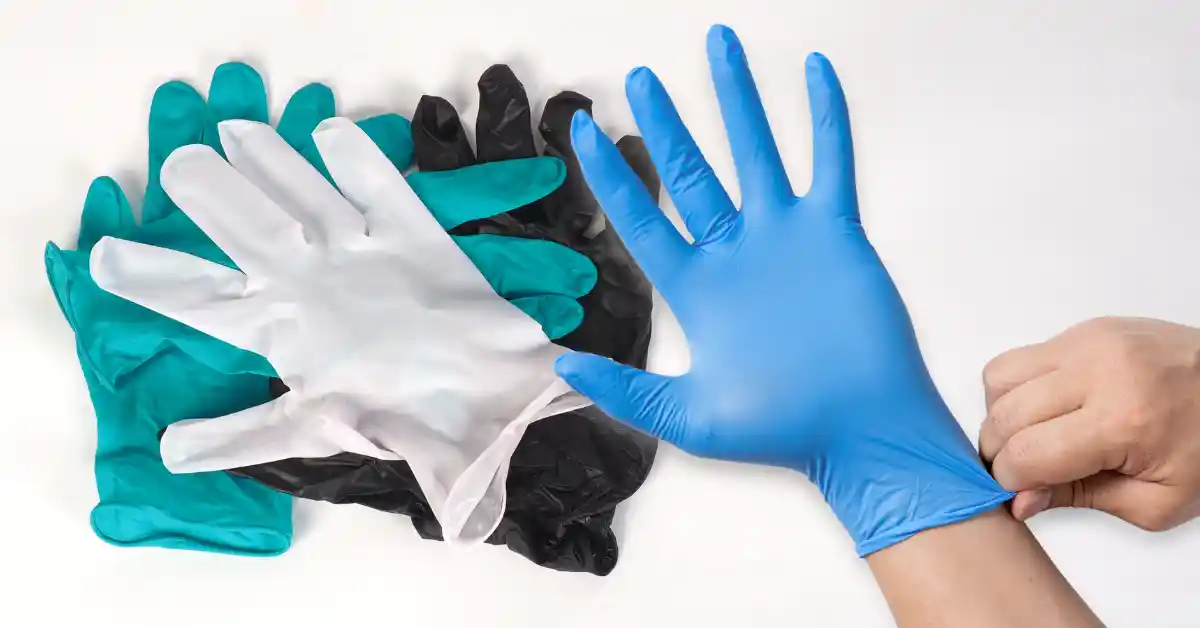
Common glove materials include nitrile, latex, and vinyl. Nitrile gloves are a popular choice due to their durability and resistance to punctures, making them suitable for various applications while being free from harmful chemicals. Latex gloves, although traditionally favored for their comfort and flexibility, can cause allergic reactions in some individuals; thus, opting for non-toxic alternatives is crucial for health-conscious choices. Vinyl gloves offer a cost-effective solution but may not be as durable as nitrile options.
Eco-friendly gloves are also gaining traction as consumers become more aware of environmental impacts. Many manufacturers now produce biodegradable or compostable options that break down more efficiently than traditional plastic-based gloves. By choosing non-toxic disposable gloves made from sustainable materials, individuals can protect themselves while also contributing to a healthier planet.
Materials Used in Non-Toxic Disposable Gloves: What You Need to Know
When selecting non-toxic disposable gloves, understanding the materials used is essential for ensuring safety and sustainability. The most common types of non-toxic gloves include latex-free options, particularly nitrile and vinyl, each with its own set of characteristics.
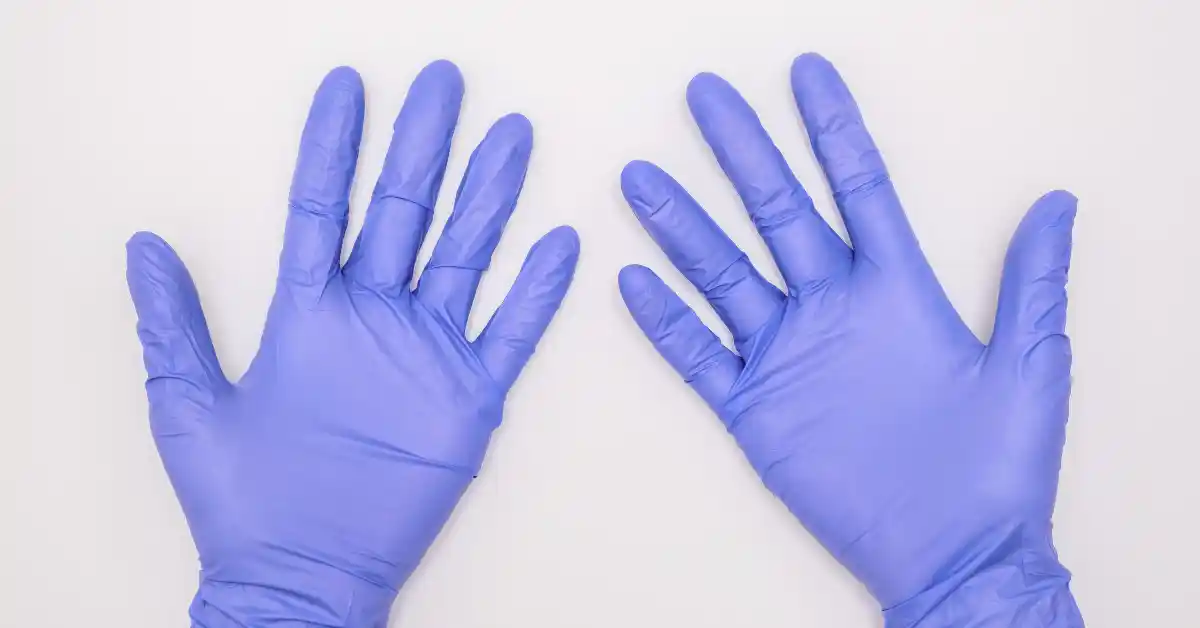
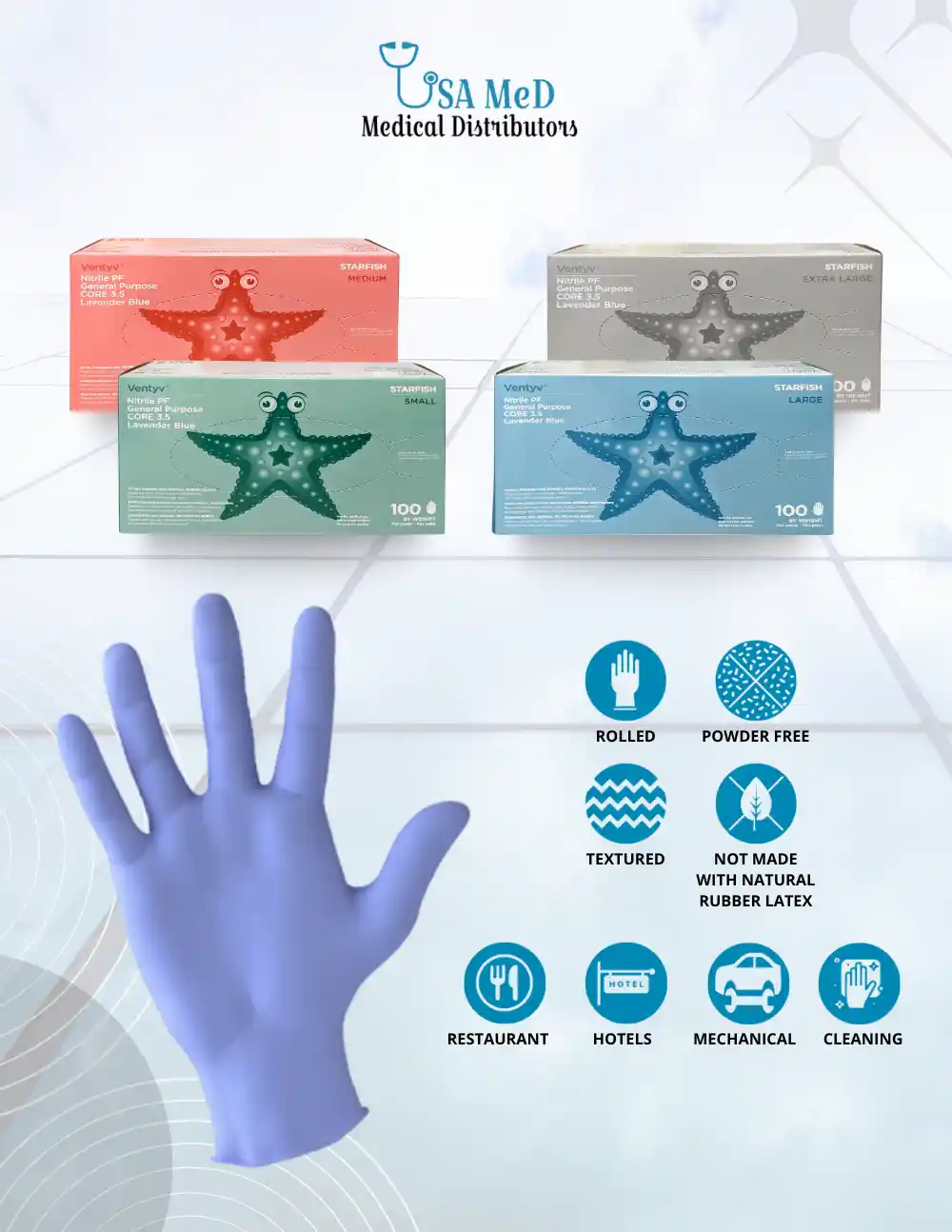
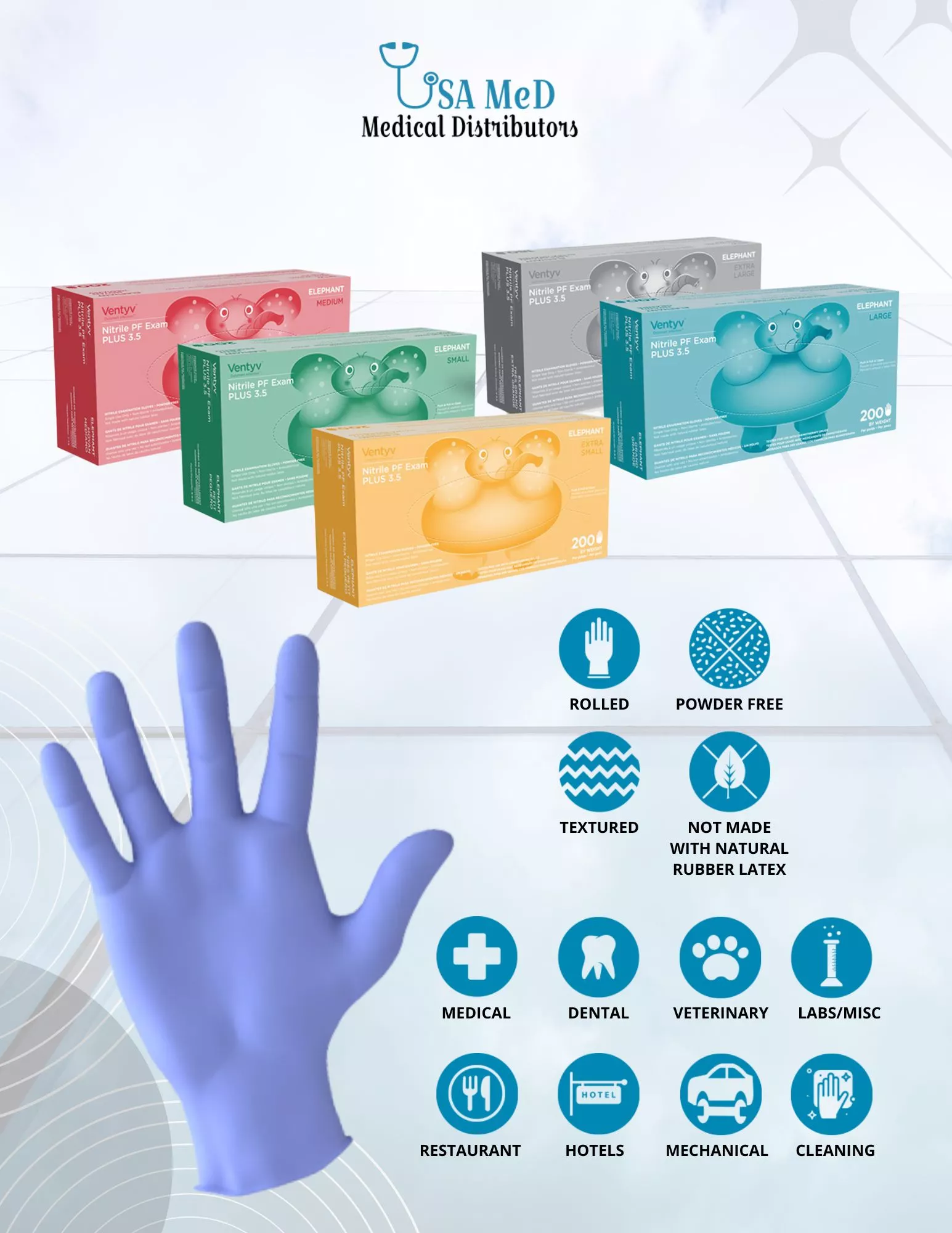
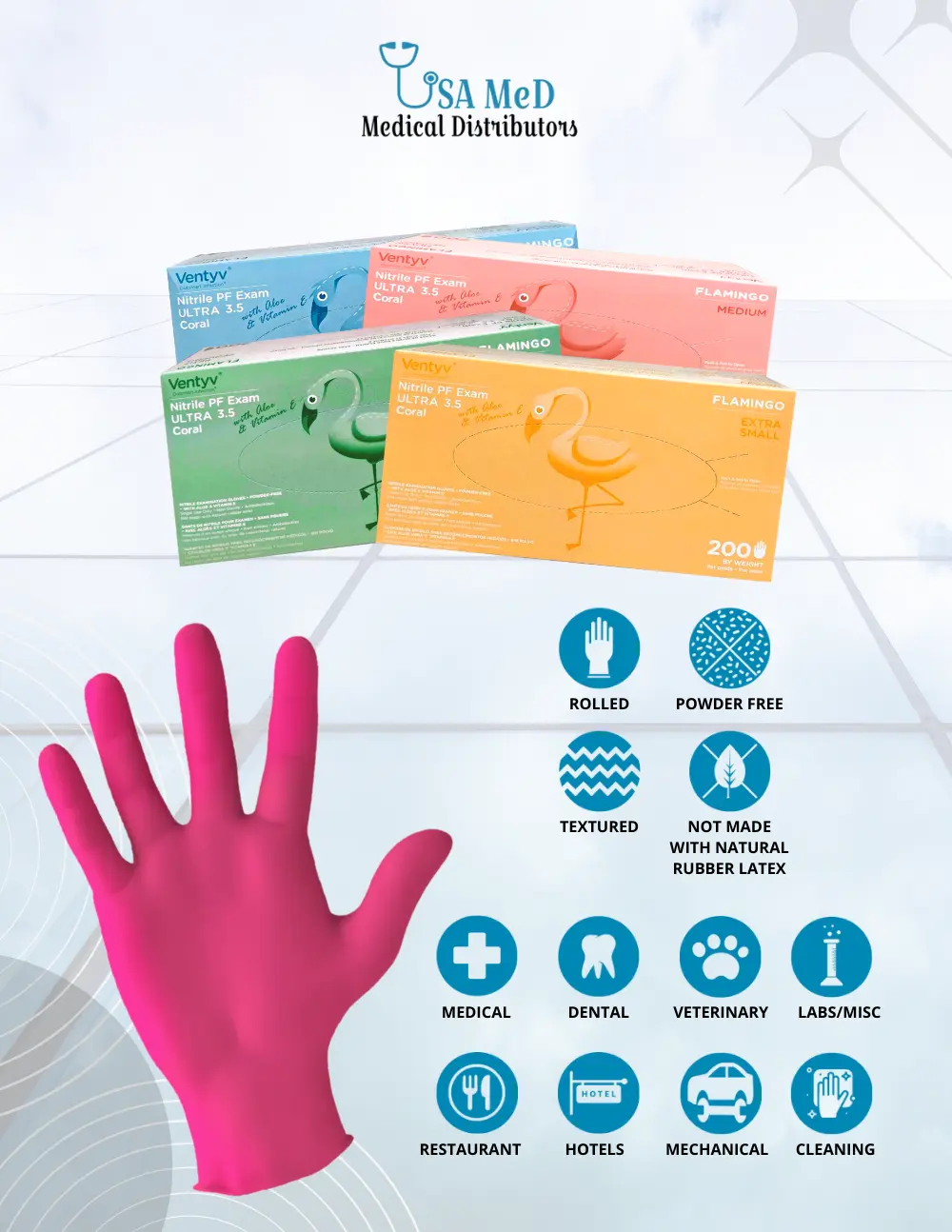
Nitrile gloves are a popular choice due to their durability and resistance to punctures and chemicals. They are made from synthetic rubber, making them an excellent alternative for those with latex allergies. Nitrile also offers hypoallergenic properties, ensuring comfort during extended use.
On the other hand, vinyl gloves are typically less expensive and suitable for low-risk tasks. They are made from polyvinyl chloride (PVC) but lack the same level of durability as nitrile. While they may not provide the same protection against hazardous materials, they can be a viable option for food preparation or general cleaning tasks.
For those seeking more sustainable glove options, there are biodegradable materials available that break down more easily in landfills compared to traditional PVC gloves. These innovative products cater to environmentally conscious consumers looking for eco-friendly solutions without compromising on safety or functionality.
Understanding the differences between nitrile vs vinyl vs latex will help you make informed choices when selecting disposable gloves that meet your needs while considering both health and environmental impact.
Conclusion
In conclusion, understanding non-toxic disposable gloves is vital for making health-conscious and environmentally friendly choices in various settings. By exploring the characteristics of common materials such as nitrile, latex, and vinyl, individuals can select gloves that not only provide necessary protection but also align with their values regarding safety and sustainability. Nitrile gloves stand out for their durability and hypoallergenic properties, while vinyl offers a budget-friendly alternative for less demanding tasks. Additionally, the rise of biodegradable glove options reflects a growing awareness of environmental impacts among consumers. Ultimately, by prioritizing non-toxic disposable gloves made from sustainable materials, we can safeguard our health while contributing to a healthier planet.