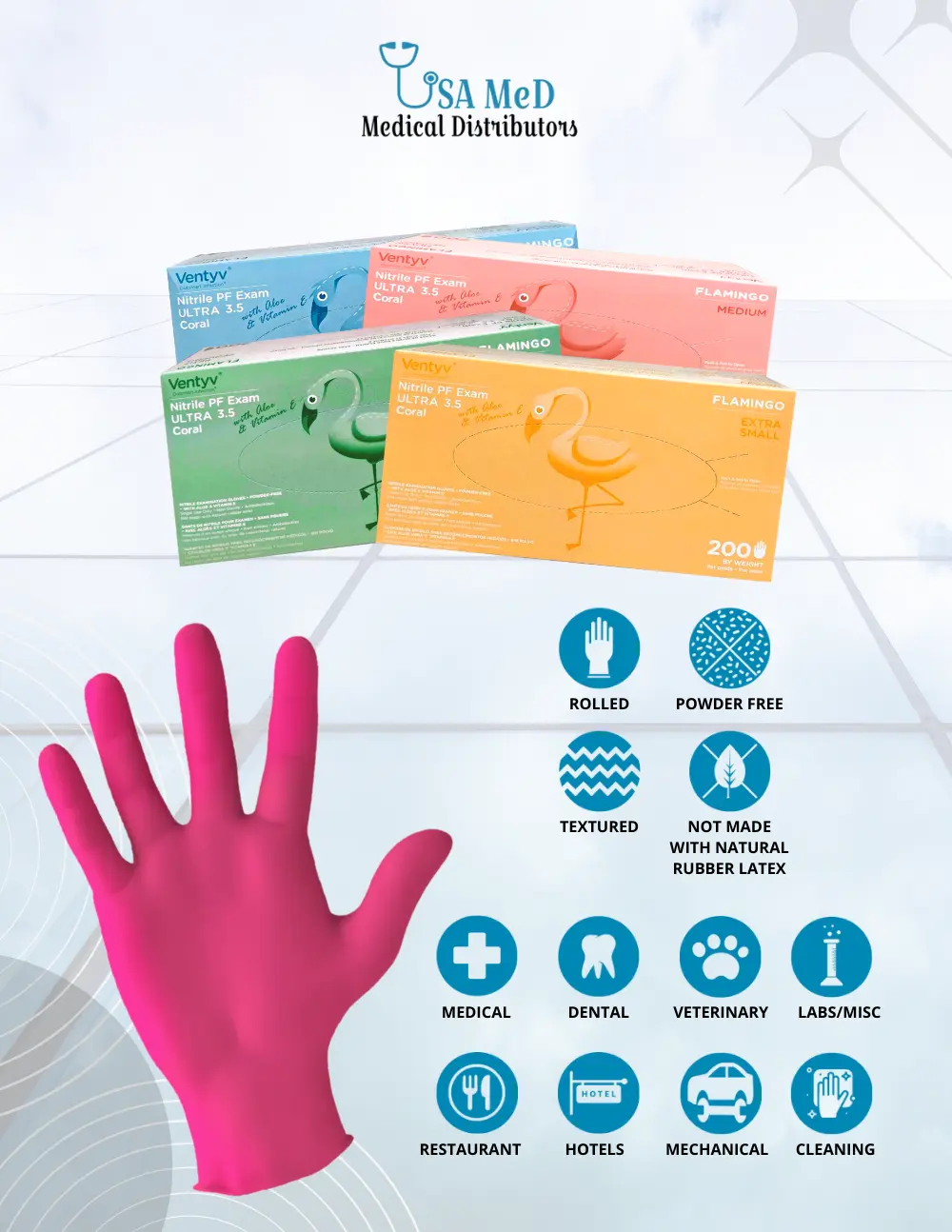
Is It Safe to Reuse Nitrile Gloves? Debunking Common Myths
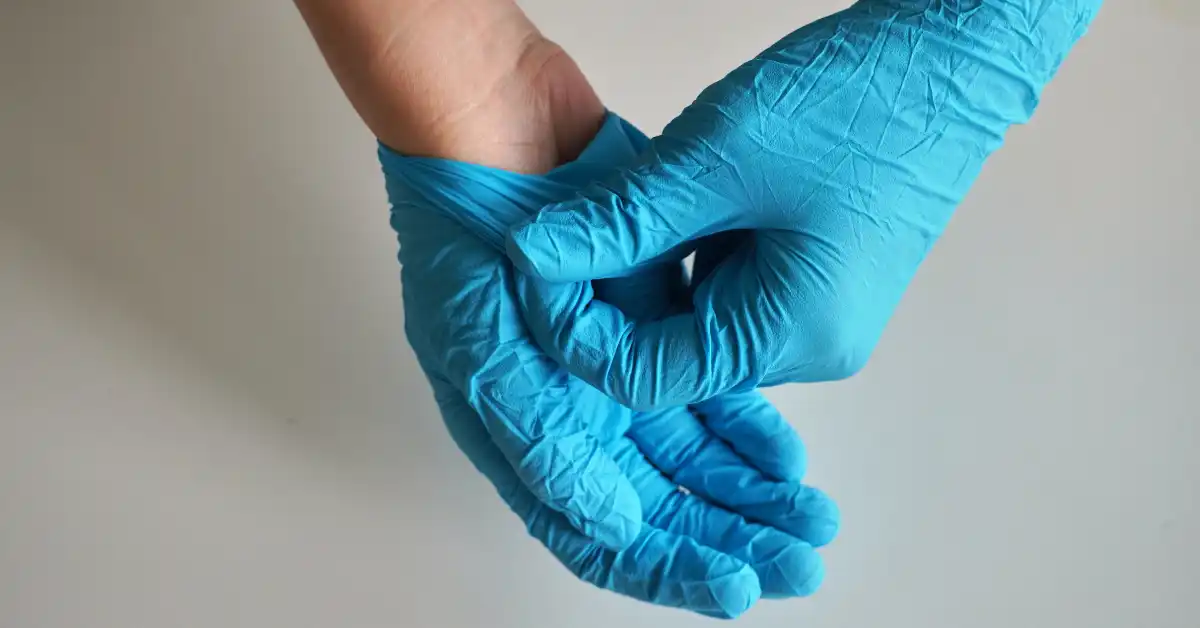
When it comes to the reuse of nitrile gloves, understanding the safety implications is crucial. Many individuals and professionals alike may wonder about the hygiene and contamination risks associated with reusing these gloves. A common myth is that nitrile gloves can be safely reused as long as they appear clean. However, this belief overlooks important factors related to glove hygiene.
Nitrile gloves are designed for single use, primarily to prevent cross-contamination during tasks such as medical examinations or food handling. Reusing them increases the risk of contamination, particularly if they have come into contact with hazardous substances or pathogens. Proper handling practices are essential; even if a glove looks intact, microscopic tears or residues can harbor harmful bacteria or chemicals.
The Environmental Impact of Reusing Nitrile Gloves
The environmental impact of reusing nitrile gloves is a significant topic in the context of sustainability in healthcare. As the demand for personal protective equipment (PPE) surged during recent global health crises, the waste generated by single-use gloves has become a pressing concern. By adopting waste reduction strategies that include the reuse of nitrile gloves, healthcare facilities can contribute to more eco-friendly practices.
Reusing nitrile gloves, when done correctly, offers numerous environmental benefits. Firstly, it significantly reduces the volume of medical waste produced, which is crucial given that millions of disposable gloves are discarded daily. This reduction not only lessens landfill contributions but also decreases the carbon footprint associated with manufacturing and transporting new gloves.
Moreover, implementing reuse protocols can lead to cost savings for healthcare providers while promoting a culture of sustainability within medical settings. By training staff on proper cleaning and sanitization methods for nitrile gloves, institutions can ensure safety without compromising environmental integrity. Overall, embracing reuse as part of a broader commitment to sustainability in healthcare can yield positive outcomes for both public health and our planet.
Conclusion
In conclusion, the reuse of nitrile gloves presents a complex interplay between safety and environmental sustainability. Despite the persistent myth, it is crucial to acknowledge the high contamination risks of reusing gloves based on their appearance. Nitrile gloves are primarily designed for single use to prevent cross-contamination in critical settings like healthcare and food handling. However, when handled and cleaned correctly, reusing nitrile gloves can help reduce waste in healthcare. Proper handling practices and cleaning protocols are key to ensuring the positive contribution of reusing nitrile gloves. This not only mitigates the environmental impact associated with disposable PPE but also promotes cost savings for institutions committed to sustainable practices. Ultimately, by balancing safety with eco-friendly initiatives, we can foster a culture that prioritizes both public health and environmental responsibility.