When to Use Disposable Gloves
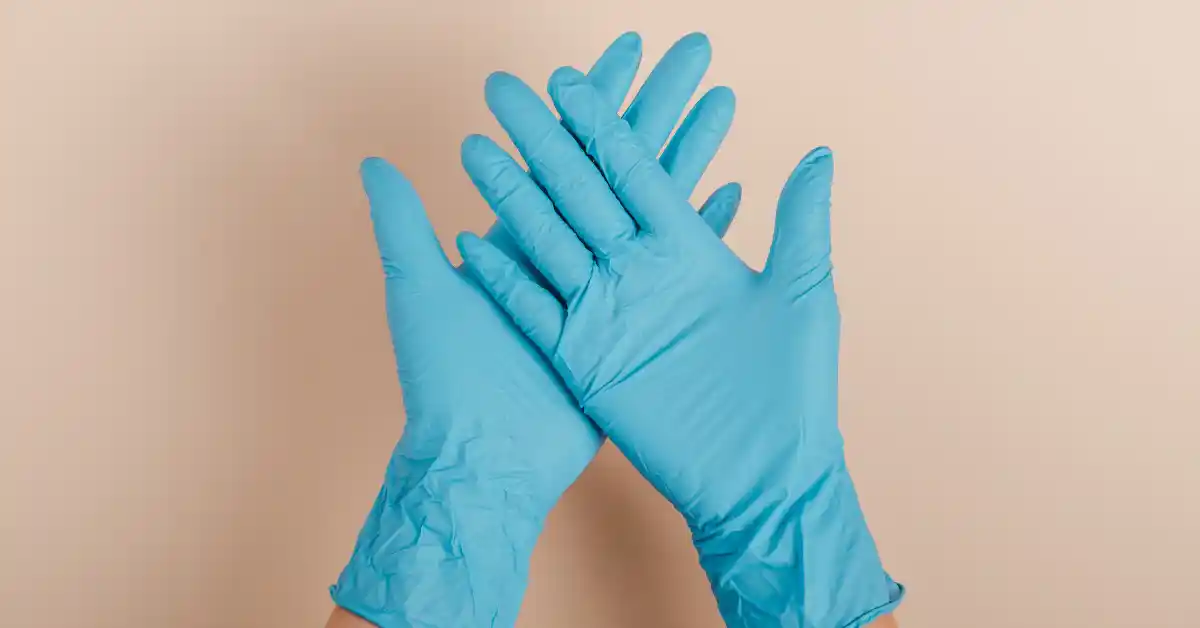
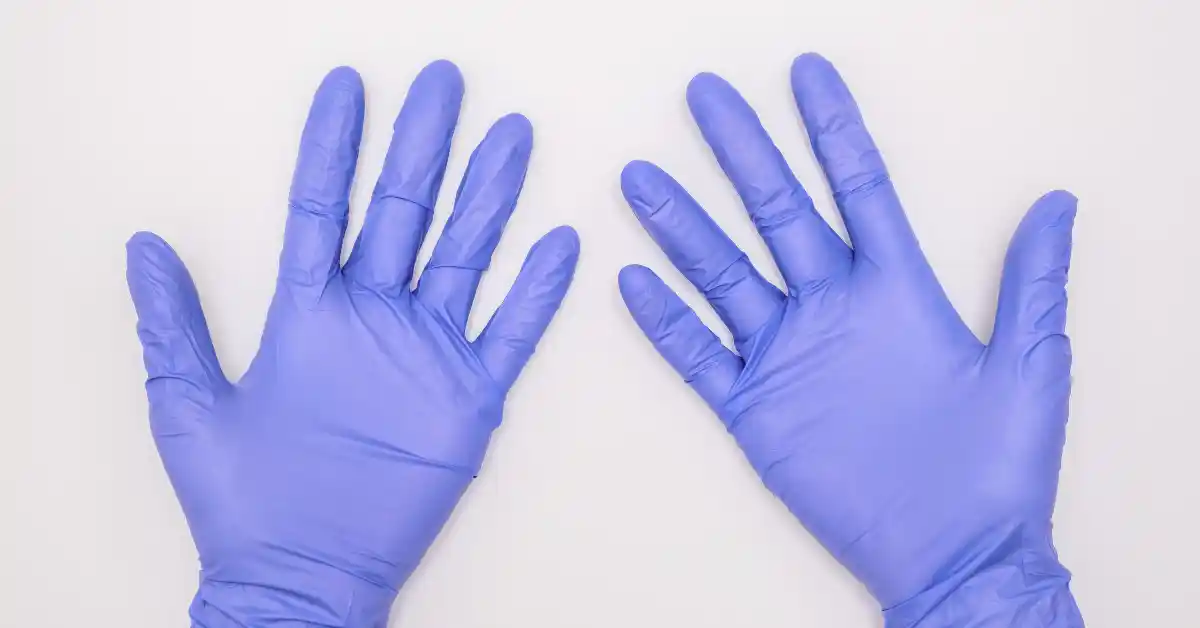
Disposable gloves play a crucial role in maintaining hygiene and safety across various environments. Understanding the proper use of disposable gloves is essential for ensuring effective protection in different settings.
In healthcare settings, disposable gloves are vital for preventing the transmission of pathogens. Medical professionals should wear gloves during examinations, surgeries, and when handling bodily fluids to minimize the risk of infection.
In the food service industry, these gloves are equally important. They help prevent cross-contamination between raw and cooked foods, ensuring that food safety standards are upheld. Workers should don disposable gloves when preparing meals or serving food to maintain a clean environment.
Cleaning applications also benefit from the use of disposable gloves. Whether it’s handling harsh chemicals or cleaning up spills, wearing gloves protects skin from irritation and potential harm.
Laboratory work requires strict adherence to safety protocols as well. Disposable gloves protect researchers from exposure to hazardous materials and biological agents, making them an essential part of laboratory attire.
By understanding when to use disposable gloves in these various contexts—healthcare settings, food service industry, cleaning applications, and laboratory work—individuals can enhance safety measures effectively.
Sustainability Considerations in the Proper Use of Disposable Gloves
When discussing the proper use of disposable gloves, it is essential to consider sustainability and the environmental impact of these products. While disposable gloves are crucial in maintaining hygiene and preventing contamination, their widespread use raises concerns about waste management and ecological footprints.
Sustainable glove options have emerged as a response to these challenges. Many manufacturers now offer biodegradable or compostable gloves made from materials like plant-based polymers, which break down more efficiently than traditional latex or vinyl options. Choosing these sustainable alternatives can significantly reduce the environmental impact associated with disposable products.
Moreover, understanding the proper use of disposable gloves is vital in minimizing waste. It’s important to wear them only when necessary—such as during medical procedures or food handling—and to dispose of them responsibly after use. By combining mindful usage with eco-friendly choices, we can contribute to a healthier planet while still prioritizing safety and hygiene in our daily practices.
Conclusion
In conclusion, the proper use of disposable gloves is essential across various sectors, including healthcare, food service, cleaning applications, and laboratory work. These gloves serve as a critical barrier against contamination and infection, ensuring safety and hygiene in environments where exposure to pathogens or hazardous materials is a concern. However, it is equally important to address the sustainability issues associated with their use. By opting for biodegradable or compostable glove alternatives and practicing mindful usage to minimize waste, individuals can significantly reduce their environmental impact while maintaining necessary safety standards. Ultimately, understanding when and how to use disposable gloves not only enhances personal protection but also contributes positively to our planet’s health.