What Are Powdered Gloves?
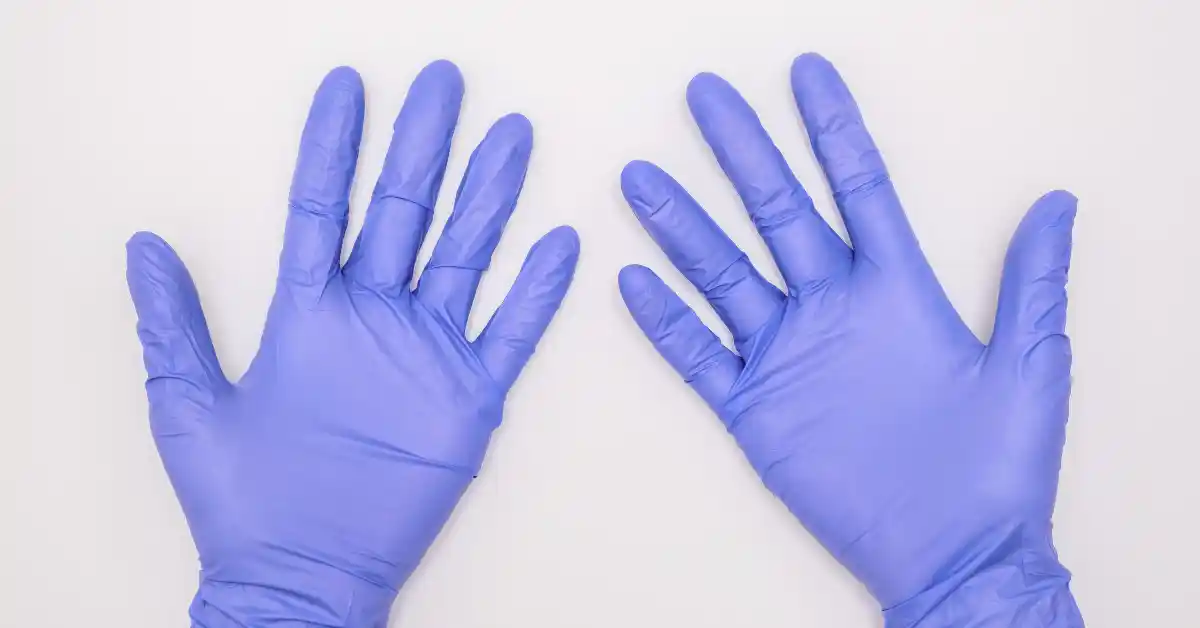
Powdered gloves are a type of disposable glove that is commonly used in various industries. These including healthcare, food service, and manufacturing. These gloves are coated with a light dusting of powder. It is typically made from cornstarch or other materials, which serves several purposes.
The primary function of the powder is to make it easier to don the gloves quickly and smoothly. This is particularly helpful in surroundings where speed and efficiency are crucial. The powder reduces friction between the glove and the skin. Additionally, powdered gloves can help absorb moisture from sweat, providing a more comfortable fit during prolonged use.
However, it’s important to note that while powdered gloves offer certain advantages, they also come with potential drawbacks. There can be allergic reaction to powdered gloves or irritation for some individuals especially in sensitive environments such as surgical settings. As a result, many healthcare facilities have shifted towards using powder-free alternatives to minimize these risks.
Common Symptoms of Allergic Reactions to Powdered Gloves
Allergic reaction to powdered gloves are a significant concern. These are particular in medical and industrial settings where these gloves are commonly used. Understanding the symptoms associated with such reactions is crucial for timely intervention and management.
The most common allergic reaction symptoms include skin irritation. It may show as redness, itching, or a burning sensation on the skin after contact with the gloves. Hives, or urticaria, can also develop; these raised welts can be itchy and vary in size. In some cases, a person may experience respiratory issues such as sneezing, nasal congestion, or difficulty breathing due to inhaling powder particles.
In rare but severe instances, an allergic reaction can escalate to anaphylaxis—a life-threatening condition that requires prompt medical attention. Symptoms of anaphylaxis may involve swelling of the throat or tongue, rapid heartbeat, dizziness, and a sudden drop in blood pressure.
Recognizing these symptoms early on is essential for ensuring safety and health when using powdered gloves. If any indications of an allergic reaction happen after exposure to powdered gloves, it is important to seek medical advice promptly.
Conclusion
In conclusion, powdered gloves serve a practical purpose in various industries. It facilitating quick and efficient donning while providing comfort through moisture absorption. However, the potential for allergic reactions poses significant risks, particularly in sensitive environments like healthcare settings. Symptoms of these reactions can vary from mild skin irritation to severe anaphylaxis, underscoring the importance of awareness and prompt medical intervention. As many facilities transition to powder-free alternatives to reduce these risks, it is important for users to remain knowledgeable about the potential dangers associated with powdered gloves. Ultimately, awareness to both the benefits and drawbacks of powdered gloves will help ensure safety and health in their usage across different sectors.