Common Symptoms of Vinyl Glove Allergies
Vinyl glove allergies are becoming increasingly recognized, particularly among healthcare professionals and individuals who frequently use these gloves. Understanding the commonly associated allergy to vinyl gloves symptoms is significant for early detection and proper management.
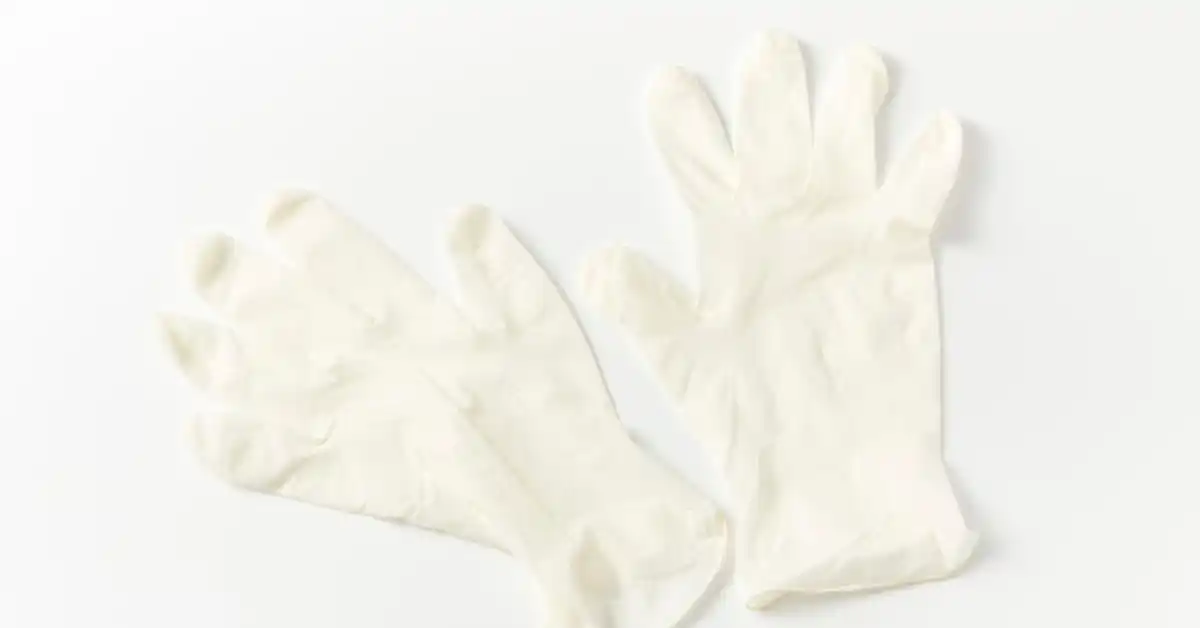
One of the primary allergy symptoms includes skin irritation, which may manifest as redness or discomfort upon contact with vinyl. Individuals may also experience a rash from vinyl gloves, often appearing as small bumps or welts on the skin. This condition can escalate into contact dermatitis, characterized by inflammation and itching.
In more severe cases, hives from vinyl exposure may develop, presenting as raised, itchy welts that can vary in size and shape. These reactions can occur immediately after contact or develop over time with repeated exposure. If you suspect that you are experiencing any of these allergy symptoms related to vinyl gloves, it is important to consult a healthcare professional for proper diagnosis and treatment options.
Alternatives to Vinyl Gloves for Those with Allergies
For individuals with allergies to vinyl gloves, it is essential to explore suitable glove alternatives that ensure both safety and comfort. The allergy to vinyl gloves symptoms can include skin irritation, redness, itching, and in more severe cases, respiratory issues. To avoid these reactions, various latex-free options are available in healthcare settings.
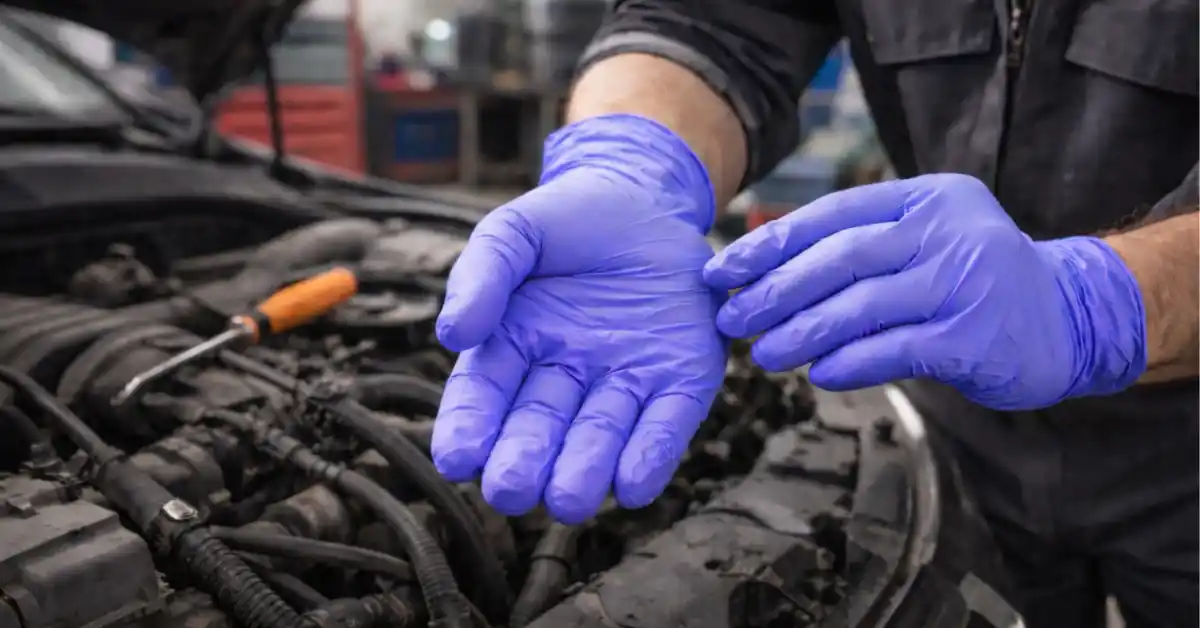
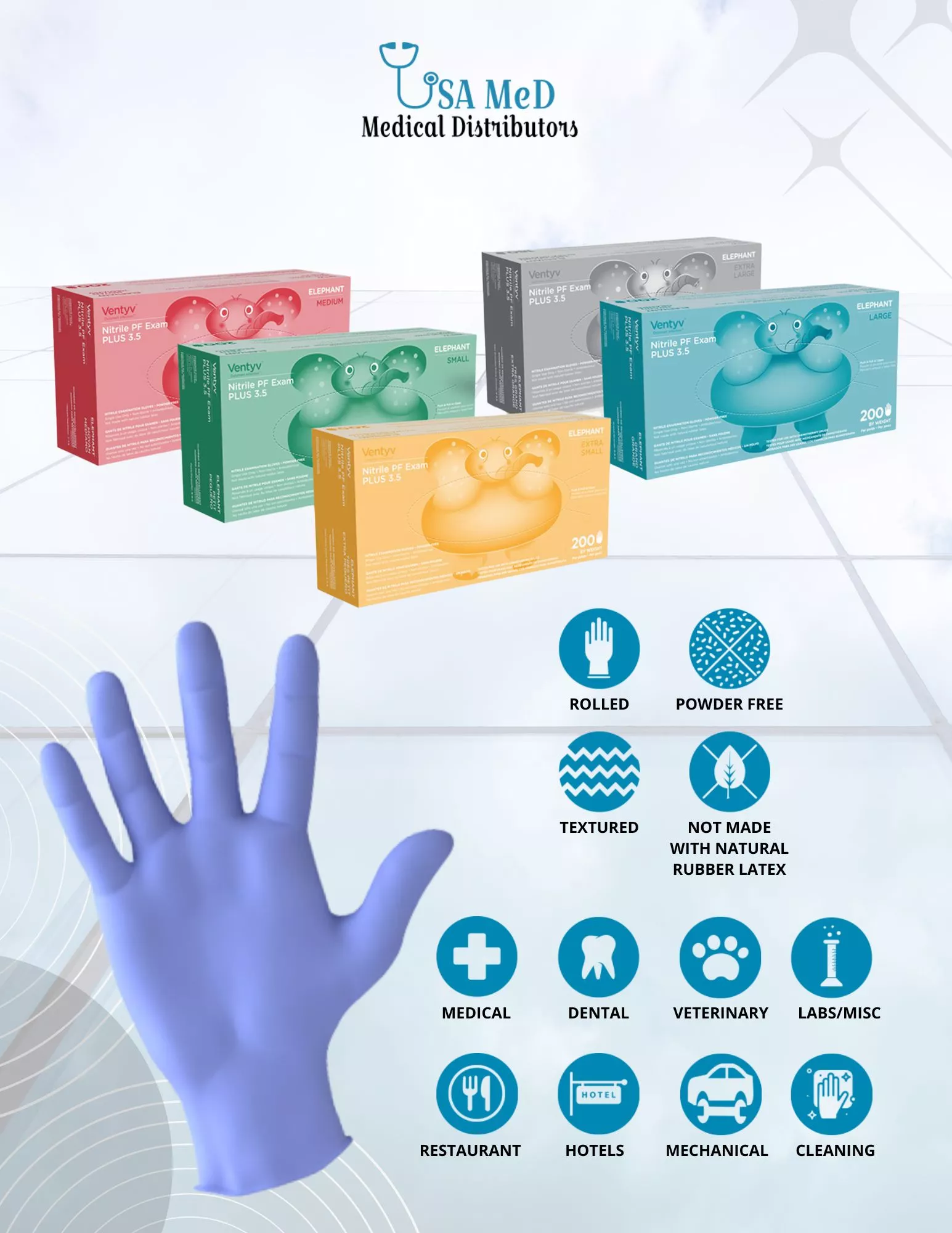
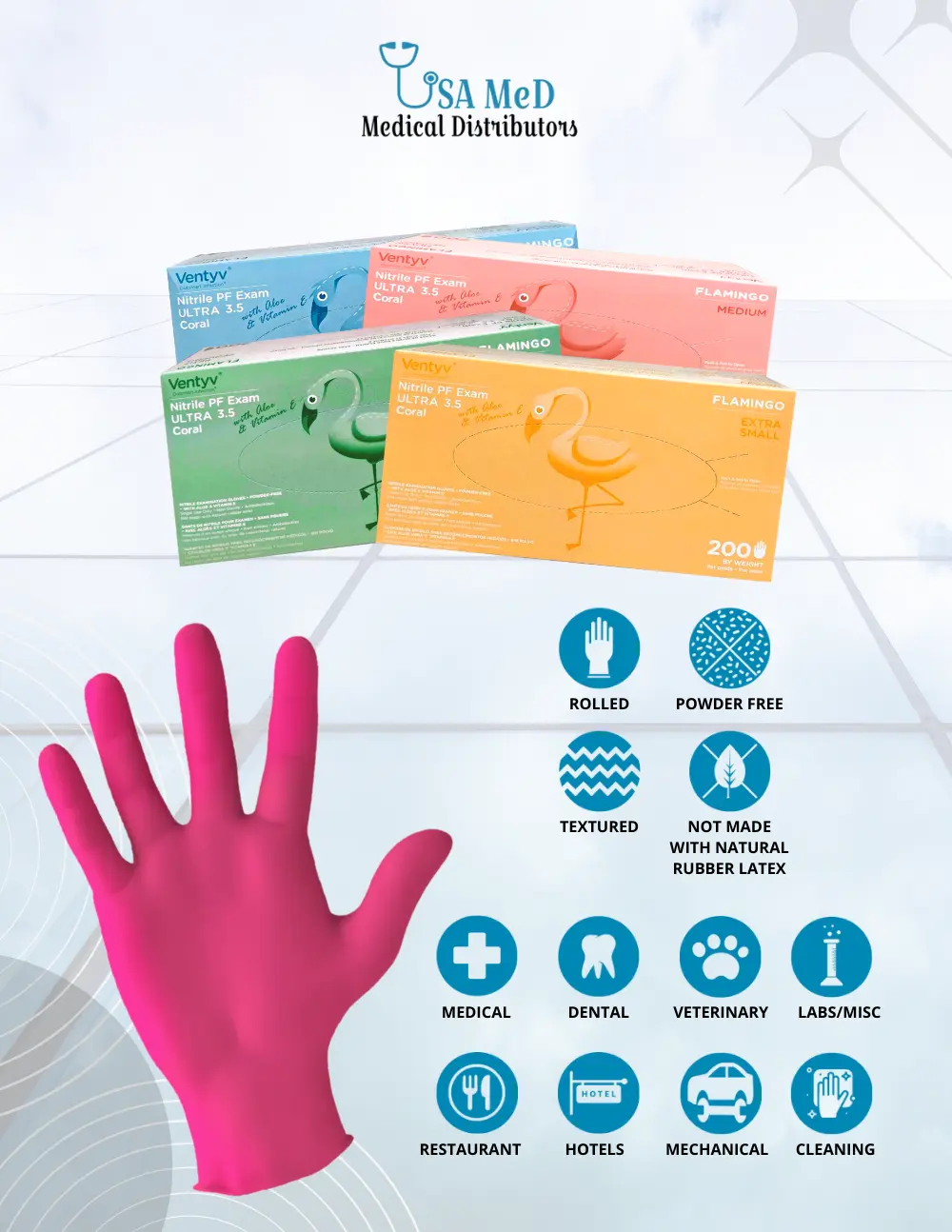
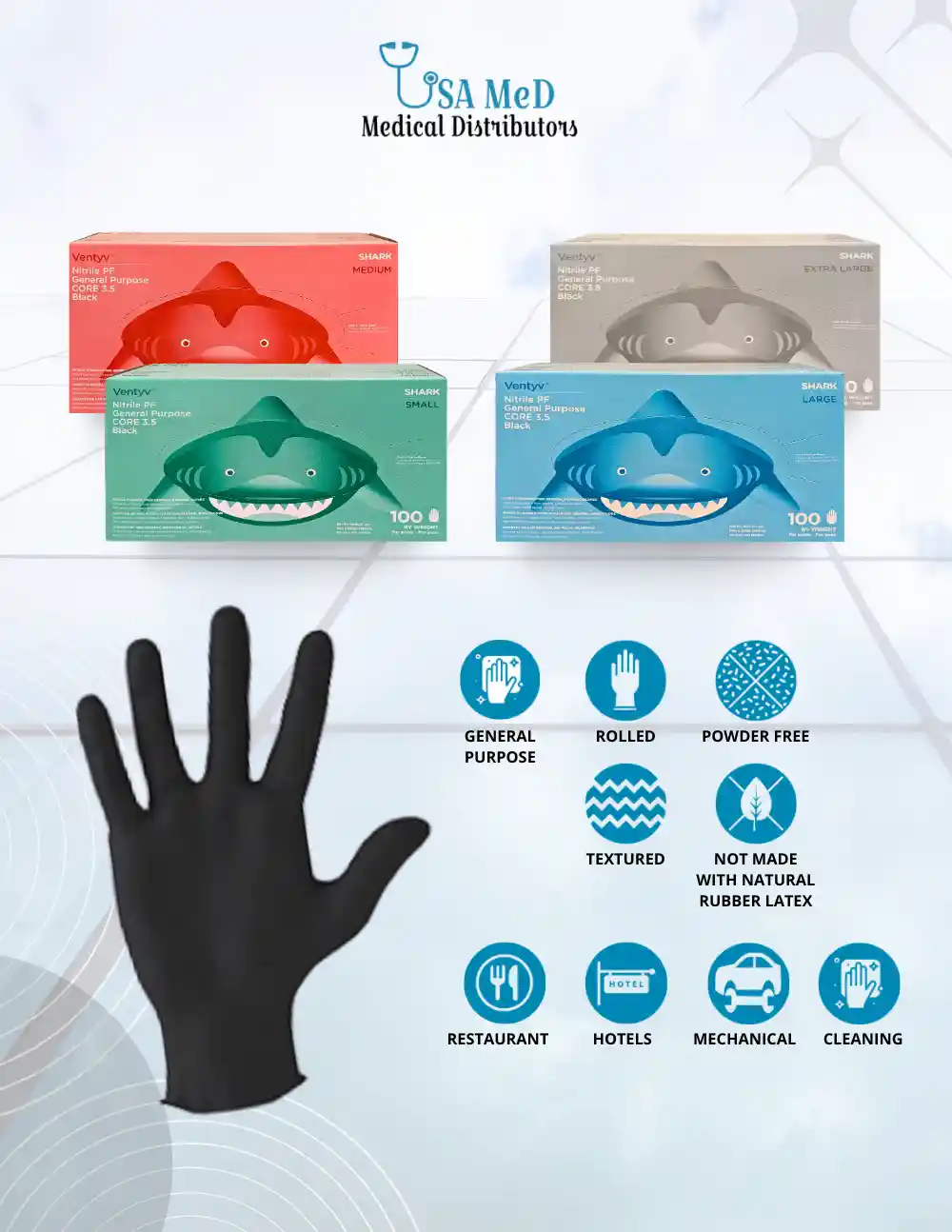
One of the most popular alternatives is nitrile gloves. These gloves are produced from synthetic rubber and offer several benefits over vinyl. Nitrile gloves provide excellent puncture resistance and a better fit compared to their vinyl counterparts, making them ideal for tasks that require precision. Additionally, they are unlikely to cause allergic reactions since they do not contain latex proteins.
Other suitable glove alternatives include polyethylene gloves and neoprene gloves. While polyethylene offers a loose fit primarily for short-term use or food handling, neoprene provides a balance between flexibility and chemical resistance. When selecting the right glove for your needs, it’s crucial to consider the particular tasks at hand while prioritizing safety for those with allergies.
Conclusion
In conclusion, recognizing and knowing the symptoms of vinyl glove allergies is vital for individuals, particularly in healthcare settings where exposure is common. Symptoms such as skin irritation, rashes, contact dermatitis, and hives can significantly impact daily activities and overall well-being. For those affected by these allergies, exploring suitable alternatives like nitrile gloves can provide a safer option that minimizes allergic reactions while offering enhanced protection and comfort. By prioritizing awareness of these allergies and considering latex-free options, individuals can ensure their safety without compromising on quality or effectiveness in their work. Ultimately, being informed about vinyl glove allergies empowers users to make better choices for their health and professional practices