Understanding the Importance of Food Safety Gloves
Understanding the importance of food safety gloves is crucial for maintaining hygiene in food preparation and ensuring overall kitchen safety. Gloves for food safety are specially crafted to safeguard both the food and the person who is handling it. What makes gloves food safe primarily revolves around their material composition, which typically includes latex, vinyl, or nitrile. These materials are non-porous and resistant to many types of contaminants, providing a barrier against bacteria and other pathogens.
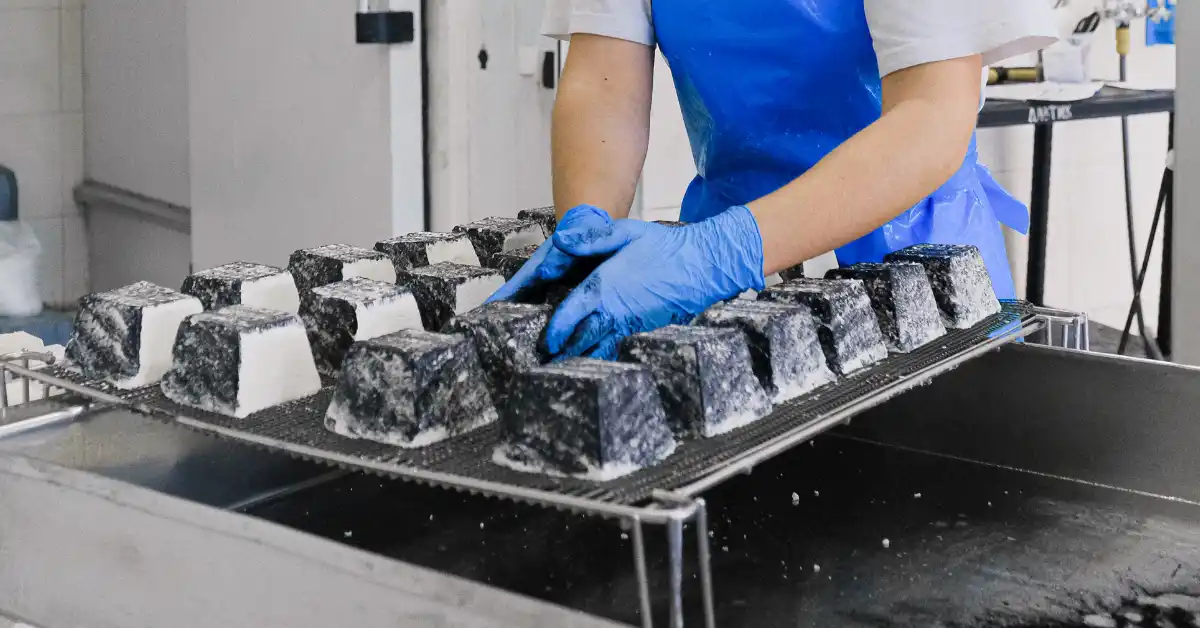
When it comes to food handling, wearing appropriate gloves minimizes direct contact with food items. It significantly reduces the risk of cross-contamination. This practice is particularly important in environments where raw foods are present. Considering that harmful bacteria can easily transfer from one surface to another if proper precautions aren’t taken. Additionally, using food safety gloves promotes better hygiene standards within the kitchen by encouraging regular hand changes between different tasks.
The Materials That Ensure Food Safety in Gloves
In terms of guaranteeing food safety, the choice of gloves used in food handling is crucial. Various glove varieties, including nitrile, latex, and vinyl, each offer unique benefits and considerations. Nitrile gloves are particularly favored in the food industry. Their puncture resistance with durability, rendering them a great option for tasks that involve sharp objects or chemicals. They are also latex-free, which reduces the risk of allergic reactions among workers.
Latex gloves have traditionally been popular for their comfort and flexibility; however, they can pose allergy risks for some individuals. As a result, many food establishments are shifting towards alternatives like nitrile or vinyl gloves.
Vinyl gloves offer a budget-friendly solution that offers a basic level of protection but may not be suitable for all tasks due to their lower chemical resistance compared to nitrile. It is crucial to take into account the particular requirements of your food handling activities when selecting glove materials.
Key Features of Food Safe Gloves to Look For
When selecting food safe gloves, to guarantee both safety and functionality, it is important to prioritize several key features. One of the most critical aspects is puncture resistance. Gloves that are resistant to punctures help prevent contamination from sharp objects, ensuring that food remains safe during preparation and handling.
Another important feature is tear resistance. High-quality gloves should withstand the rigors of food handling without easily tearing, which can compromise hygiene and lead to potential health risks. Additionally, the thickness of gloves plays a significant role in their durability; thicker gloves generally offer better protection but may also reduce dexterity.
Moreover, a good grip and texture for handling food are essential for maintaining control while preparing meals. Textured surface gloves can improve grip on wet or slippery items, reducing the likelihood of accidents in the kitchen.
Ultimately, what makes gloves food safe involves a combination of these features—ensuring they are made from materials that meet health standards while providing comfort and usability for those who handle food regularly. By paying attention to these attributes, you have the option to select gloves that not only safeguard your hands but also uphold food safety standards effectively.
Conclusion
In conclusion, grasping the significance of food safety gloves is essential for maintaining hygiene and ensuring safety in food preparation environments. These gloves, made from materials such as nitrile, latex, and vinyl, serve as a critical barrier against contaminants that can lead to cross-contamination and foodborne illnesses. Key features like puncture resistance, tear resistance, thickness, and grip are vital in selecting the right gloves for various tasks. By prioritizing these aspects when choosing food safety gloves, individuals can significantly enhance their kitchen hygiene practices. Ultimately, investing in quality food safety gloves not only protects those handling food but also upholds the highest standards of health and safety within culinary settings.