Why Flexible Protective Gloves Improve Work Efficiency

flexible protective gloves - USAMED Medical Distributors

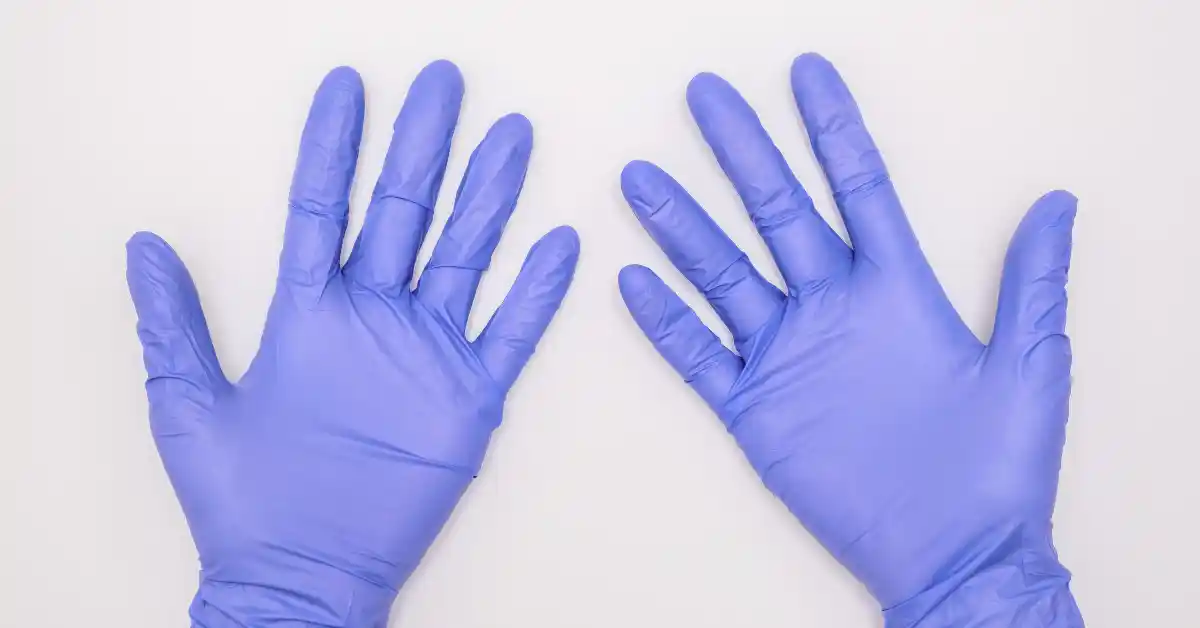
Flexible protective gloves are a game-changer for professionals across various industries. Unlike traditional rigid gloves, these protective gloves are designed to provide both safety and dexterity. This combination allows workers to handle tools, materials, and machinery with greater precision and ease. When employees can move their fingers freely without sacrificing protection, tasks such as assembling small parts or operating touchscreens become faster and more accurate.

Additionally, flexible protective gloves reduce hand fatigue during long shifts. Their ergonomic design ensures a comfortable fit that adapts to the natural movements of the hand. This comfort not only boosts productivity but also encourages workers to wear their gloves consistently—leading to fewer workplace injuries. Ultimately, investing in high-quality flexible protective gloves translates into improved work efficiency by streamlining daily tasks while maintaining essential safety standards.

Types of Materials Used in Flexible Protective Gloves

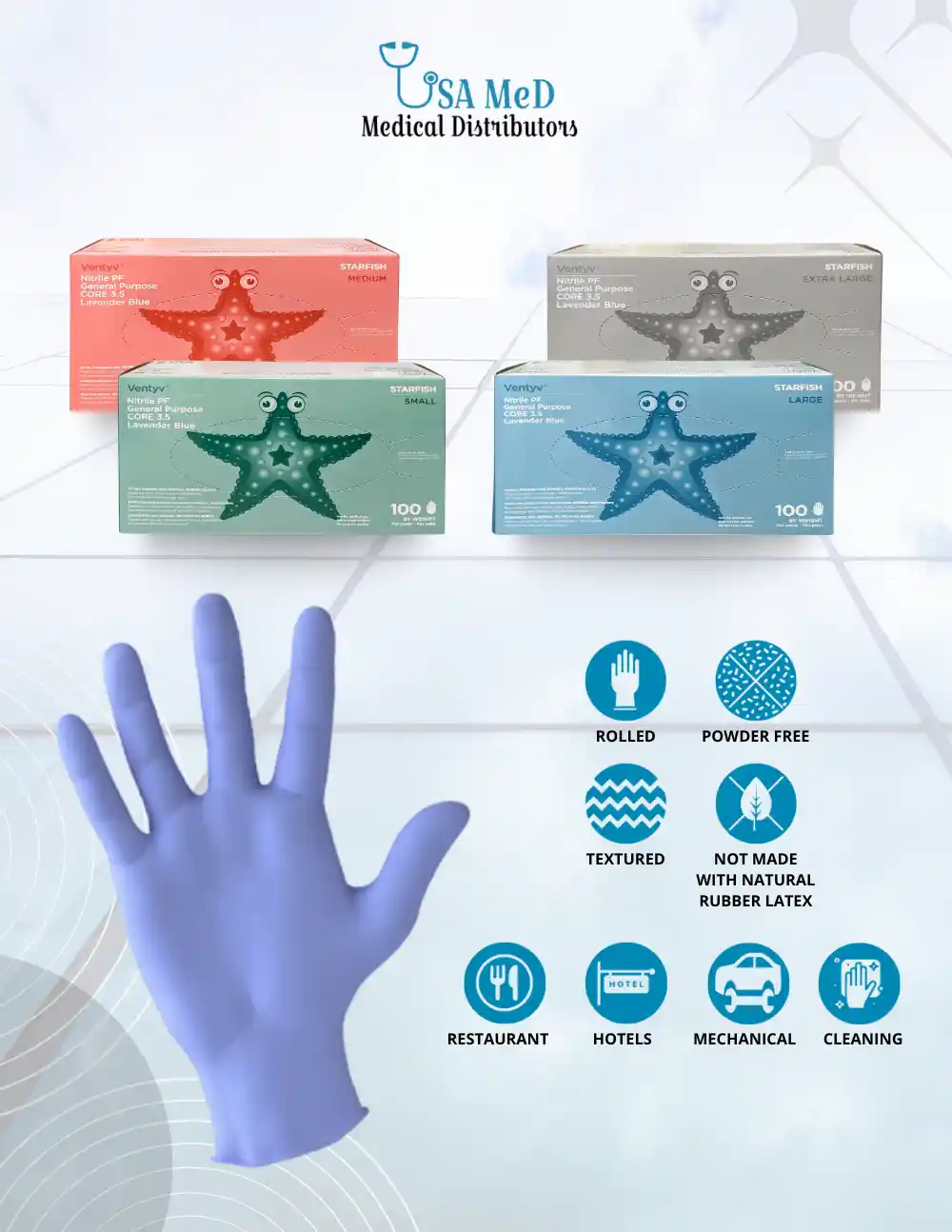
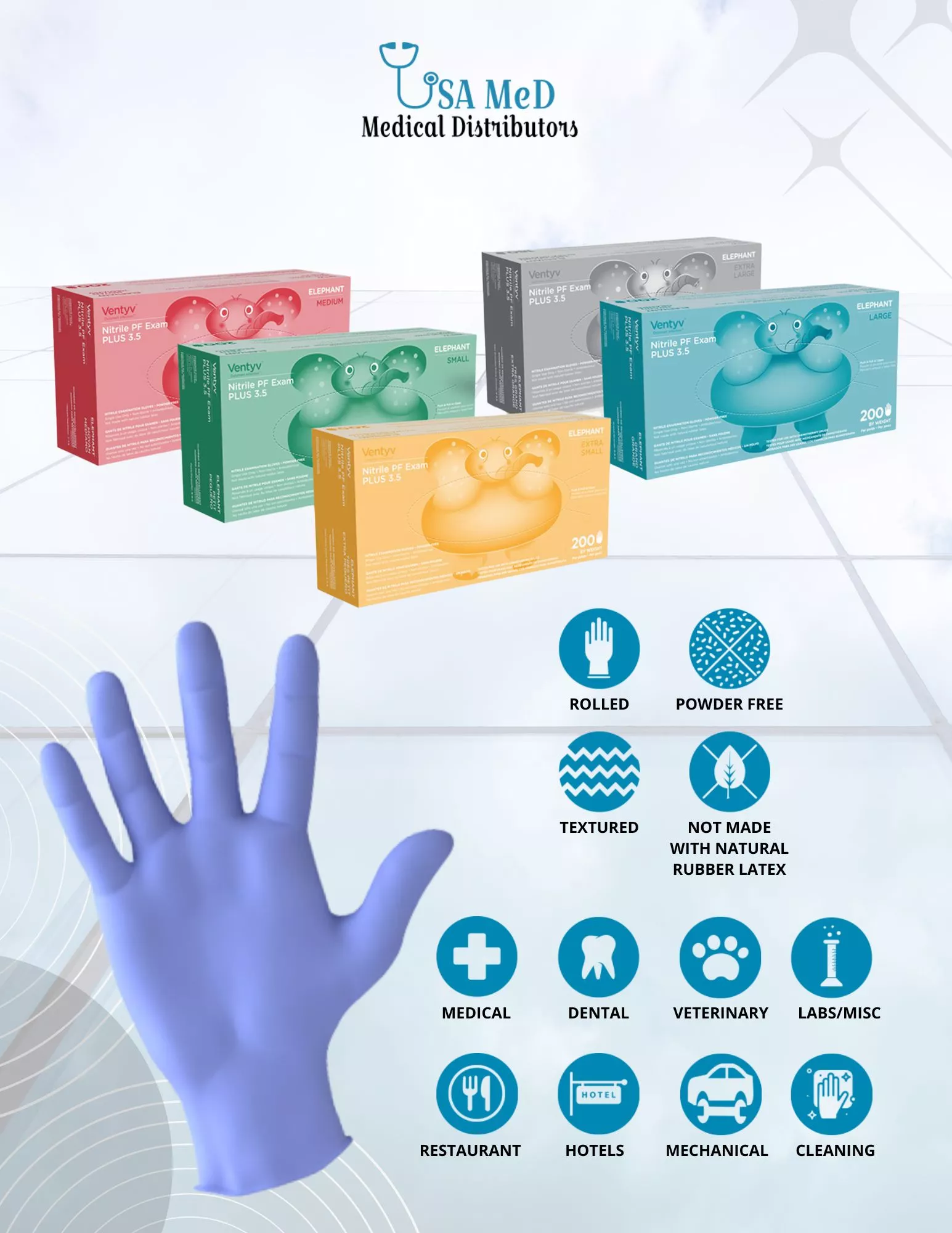
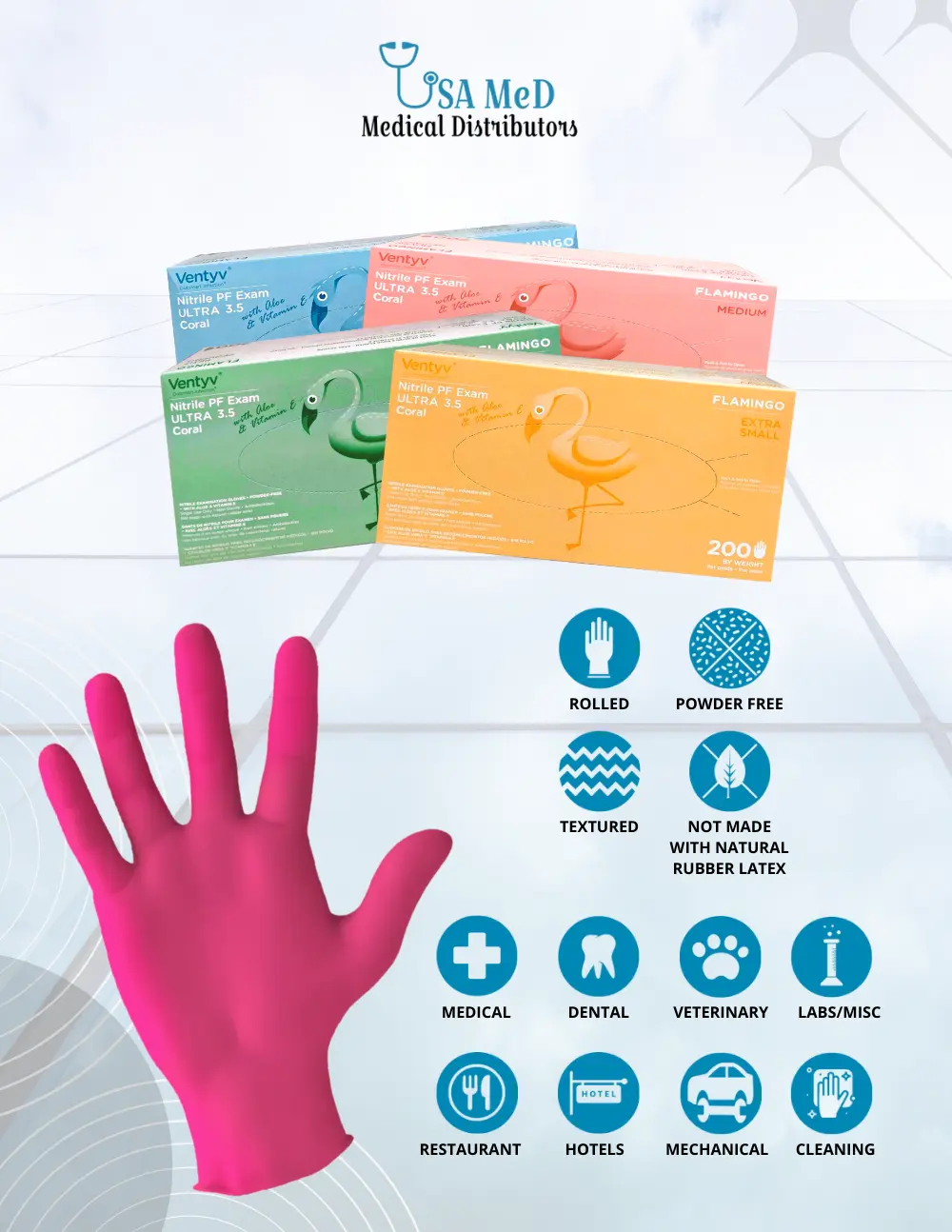
When choosing flexible protective gloves, understanding the materials used is crucial for ensuring both safety and comfort. Among the most common options are nitrile and latex gloves. Nitrile gloves are made from synthetic rubber and are highly resistant to punctures, chemicals, and oils, making them ideal for medical, laboratory, and industrial use. In contrast, latex gloves offer excellent flexibility and tactile sensitivity but may cause allergic reactions in some users.

Beyond nitrile vs latex gloves, there is a wide range of synthetic glove materials available. Vinyl is another popular synthetic option; it’s cost-effective but offers less durability compared to nitrile or latex. For specialized tasks that require extra protection against cuts or abrasions, cut-resistant glove fabrics are commonly used.

Breathable protective materials have also become increasingly important in glove design. Many modern gloves incorporate mesh linings or moisture-wicking layers to enhance airflow and reduce sweat buildup during extended use. By selecting the right material—whether prioritizing chemical resistance, cut protection, or breathability—users can ensure their hands remain safe and comfortable on the job.

Summary

In summary, flexible protective gloves represent a significant advancement in workplace safety by combining essential protection with the dexterity needed for precise tasks. Their ergonomic design not only minimizes hand fatigue but also encourages consistent use, leading to fewer injuries and greater productivity. The choice of glove material—whether nitrile, latex, vinyl, or specialized cut-resistant and breathable fabrics—plays a crucial role in meeting the specific demands of different industries and applications. Employers should carefully select gloves that balance safety features with comfort and performance. By doing so, they can create safer work environments. This approach also supports efficiency. Ultimately, investing in high-quality flexible protective gloves is a practical step toward safeguarding workers’ well-being without compromising on functionality or ease of use.

“Please subscribe to get notified about exclusive offers. Thank you! “

Subscription Form
By submitting your information, you are giving us permission to email you. You may unsubscribe at anytime.

Share This Article:

Leave a Reply

Related Posts

exam gloves bulk pricing - USAMED Medical Distributors

Exam Gloves Bulk Pricing

Why Buy Exam Gloves in Bulk? When it comes to essential healthcare supplies, purchasing exam gloves in bulk offers significant advantages for clinics, hospitals, and


Gloves That Feel Like Skin-USAMED Medical Distributors

Gloves That Feel Like Skin

Understanding Gloves That Feel Like Skin: What Makes Them Unique? In recent years, the demand for gloves that feel like skin has surged across various