
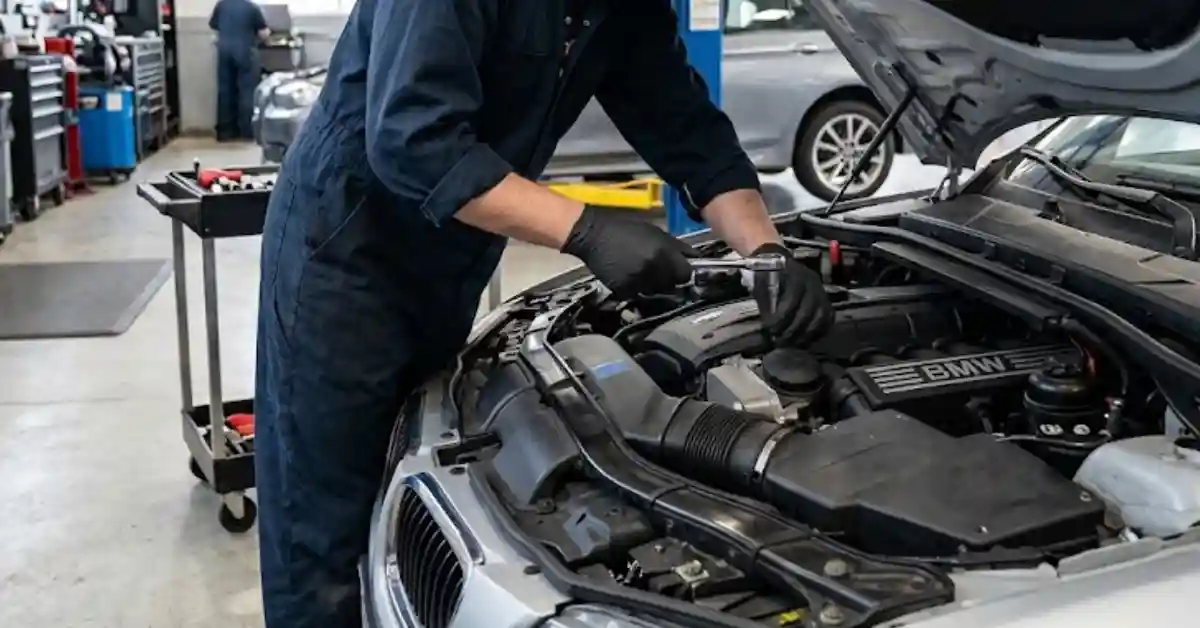
Finding the right gloves to work on cars is an essential step for any modern mechanic or DIY enthusiast. Working under the hood exposes your skin to abrasive edges, hot components, and harmful chemicals like motor oil and brake fluid. High-quality disposable gloves made from thick nitrile provide a durable chemical shield without sacrificing tactile sensitivity. Mechanics who need added defense against pinch points or sharp sheet metal often turn to heavy-duty mechanic gloves built with synthetic leather palms and reinforced knuckles. Selecting proper hand protection keeps your skin clean, prevents painful cuts, and ensures a solid hold on greasy tools.
Key Types of Automotive Gloves and Their Uses
Different mechanical tasks demand specialized styles of hand protection to ensure optimal performance. Thick disposable nitrile gloves are ideal for fluid changes, brake jobs, and detailed engine work where precision is crucial. For heavy lifting, suspension repairs, or working in tight engine bays, heavy-duty utility gloves offer superior puncture resistance and impact absorption. Some technicians prefer hybrid leather gloves that blend classic breathability with modern knuckle protection for long hours in the shop. Fabric gloves with textured latex coatings can also provide excellent friction when moving heavy tires or exhaust pipes. Matching the specific glove style to your job minimizes fatigue while maximizing overall workplace efficiency.
How Proper Fit and Material Enhance Shop Performance
A proper fit directly impacts both your safety and overall working speed while executing repairs. Gloves that are too loose can easily snag on rotating belts or reduce your ability to pick up tiny bolts. Conversely, excessively tight material restricts blood flow and leads to rapid hand fatigue during long projects. Choosing materials with strong resistance to severe corrosion and chemical degradation preserves the barrier integrity of your gear. Maintaining a clean, dry pair prevents skin irritation and reduces the chance of slipping off slick fasteners. Investing in quality gear ensures you always have reliable gloves to work on cars.
Conclusion
Choosing the ideal pair of gloves to work on cars protects your health while improving your repair precision. From disposable nitrile barriers to heavy-duty padded options, the right choice keeps your hands safe from heat, cuts, and chemicals. Prioritize proper fit and material strength so you can tackle every garage project with complete confidence.